Descrizione
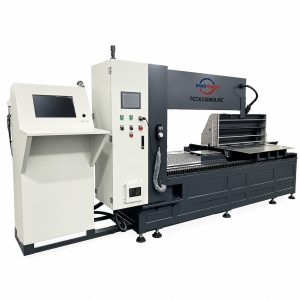
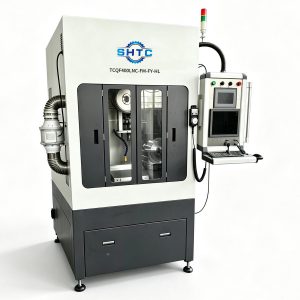
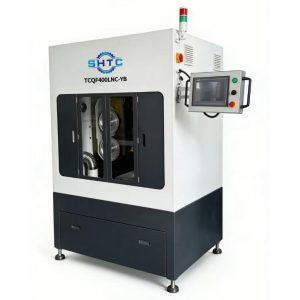
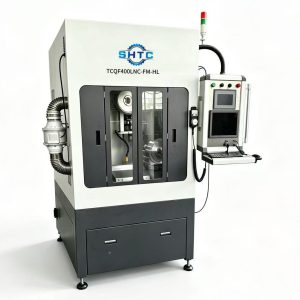
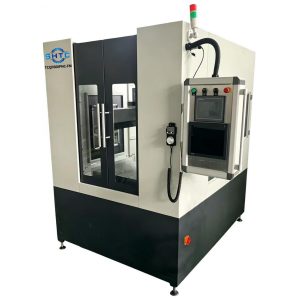
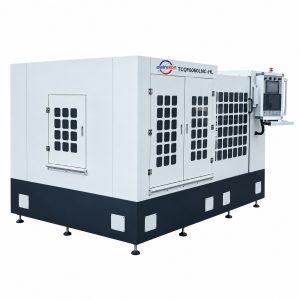
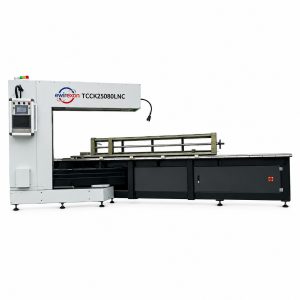
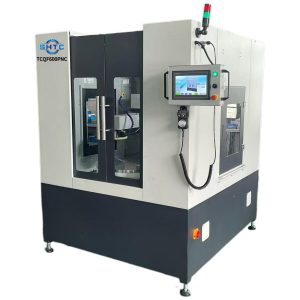
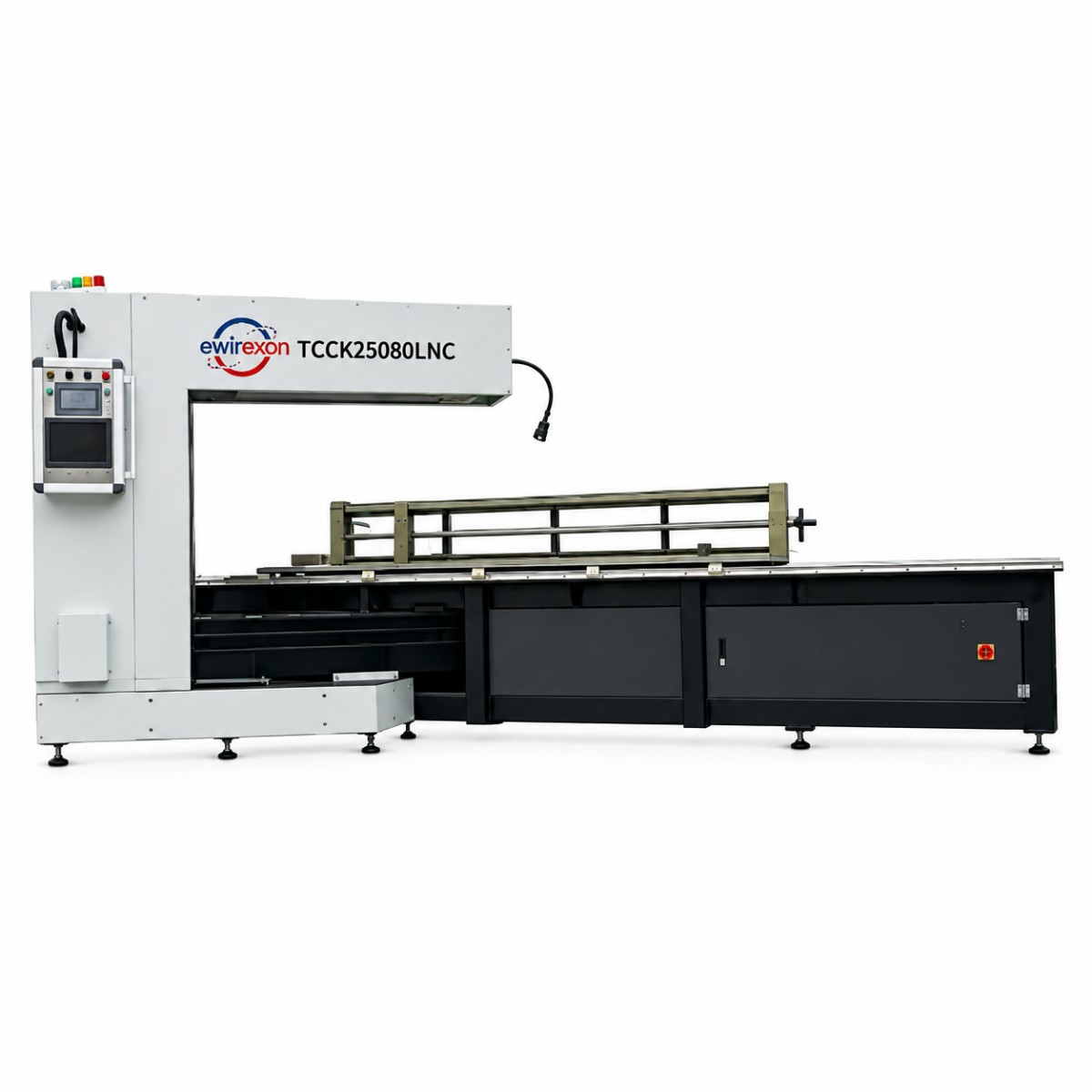
Engineered specifically for conductive non-metal processing, this circular saw replaces abrasive or mechanical blade systems with a tensioned diamond-impregnated wire that cuts graphite with exceptional surface integrity and minimal dust generation. Unlike conventional circular saws, it eliminates chipping and micro-fracturing at edges—critical when fabricating high-purity graphite electrodes, precision molds, and crucibles used in metallurgical research and battery anode material development.
The system’s fully adjustable wire speed (0.1–35 mm/s), tension control (0–500 N), and fine feed rates (0.01–35 mm/s on X/Y axes) enable process optimization for varying graphite densities and geometries. Its CE-certified design meets international safety standards for lab and pilot-scale industrial environments across Nigeria and West Africa.
Constructed from Q235 structural steel, SS304 stainless components, and 6061 aluminum, the machine ensures long-term stability in humid or thermally variable R&D settings. Customization is available to align with local power infrastructure (380V) and workspace constraints (4000×1700×2560 mm footprint).
Low-dust diamond ring saw for precision graphite cutting—prevents edge damage in R&D electrodes, crucibles, and battery anode test samples across Nigerian metallurgical and energy labs.
This diamond ring saw is purpose-built for high-fidelity graphite processing in research and development environments—especially where edge integrity, dimensional accuracy, and material purity are non-negotiable. It uses a tensioned diamond-impregnated wire (not a rigid blade) to cut graphite electrodes, precision molds, and high-temperature crucibles without chipping, micro-fracturing, or excessive dust—critical for battery anode material testing and metallurgical simulation. Fully adjustable wire speed (0.1–35 mm/s), tension (0–500 N), and X/Y feed rates (0.01–35 mm/s) allow fine-tuned adaptation to varying graphite densities and part geometries. CE-certified and constructed from Q235 steel, SS304 stainless, and 6061 aluminum, it delivers long-term stability in humid or thermally fluctuating lab settings across West Africa. Designed for 380V infrastructure and customizable to local workspace constraints, it supports scalable transition from R&D to pilot manufacturing.