Deskripsi
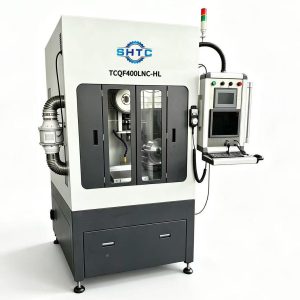
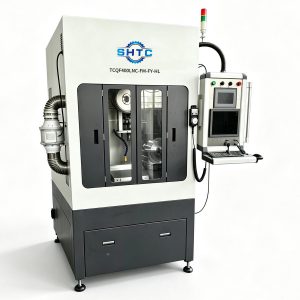
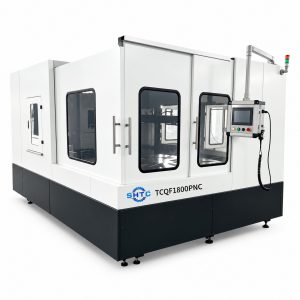
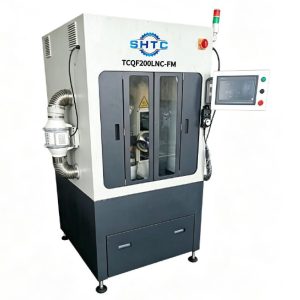
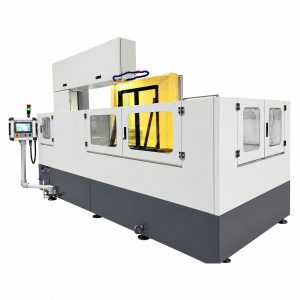
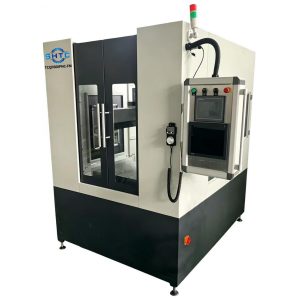
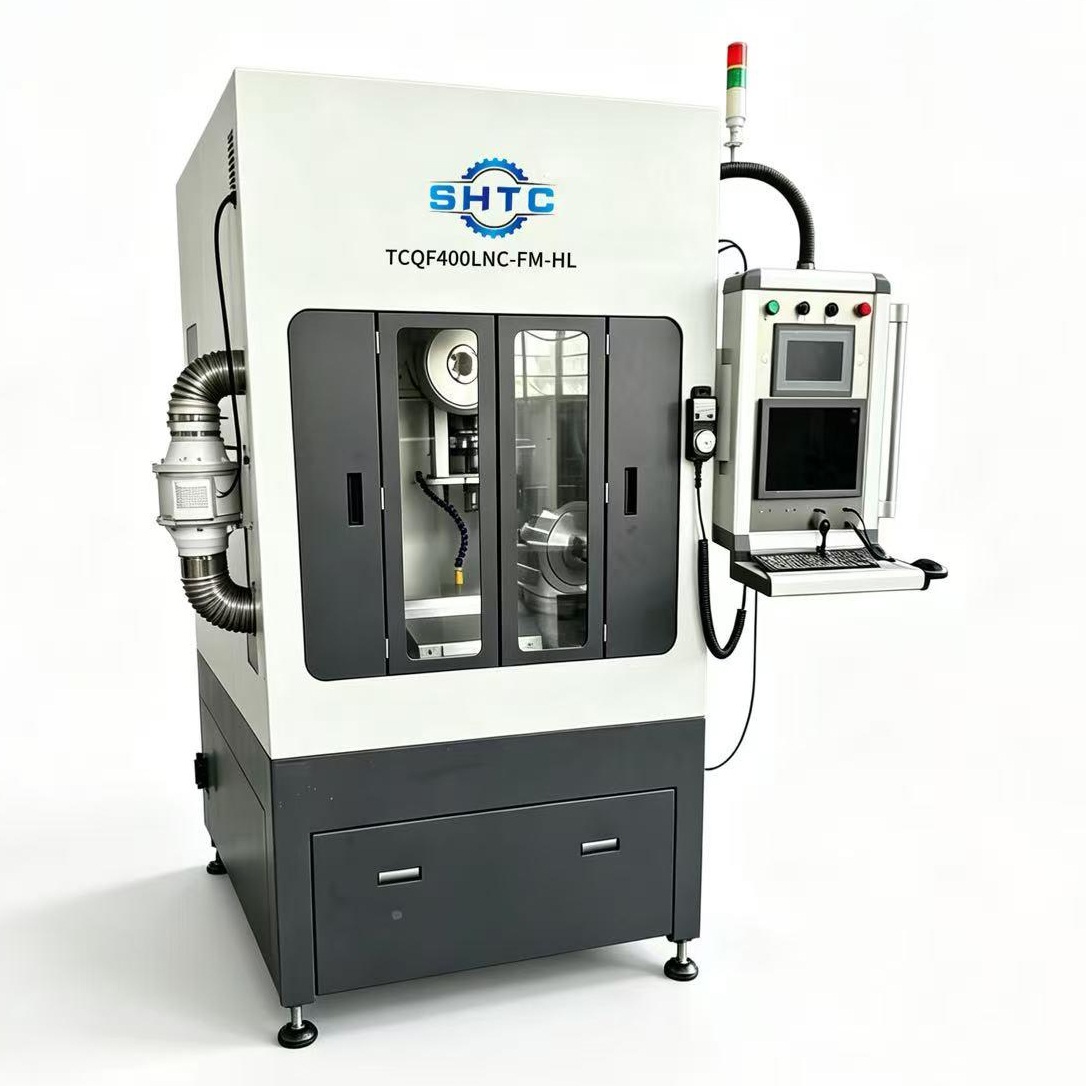
This diamond ring saw machine is specifically suited for B2B graphite processing in Pakistan’s metalworking and foundry sectors — especially where graphite electrodes and EDM mold components demand clean, dimensionally accurate cuts. Unlike conventional blade-based saws, its single-wire diamond technology eliminates blade binding and drastically reduces airborne graphite dust — a critical advantage for workshop air quality, operator safety, and machine longevity.
Engineered with Q235 structural steel, SS304 stainless components, and 6061 aluminum, the system delivers rigidity and corrosion resistance essential for sustained graphite machining. Its precise tension control (0–300 N), fine feed rates (0.01–35 mm/s), and variable wire speed (0.1–50 mm/s) allow optimal adaptation to dense, anisotropic graphite grades used in EDM and thermal management applications.
The CE-certified design supports integration into industrial workflows requiring repeatable kerf control and minimal post-cut cleaning — directly addressing the core challenges of graphite dust clogging mechanisms and excessive tool wear.
Precision diamond ring saw machine for clean, low-dust cutting of graphite electrodes and EDM molds — optimized for foundry, EDM tooling, and thermal management applications in Pakistan’s metalworking sector.
This diamond ring saw machine is purpose-built for B2B graphite processing in demanding industrial environments — especially Pakistan’s foundries, EDM tooling workshops, and thermal management component manufacturers. Using single-wire diamond technology instead of rigid blades, it delivers burr-free, dimensionally stable cuts on highly abrasive graphite electrodes and complex EDM mold blanks. The system minimizes airborne graphite dust — improving workshop air quality, reducing respiratory hazards, and preventing contamination of sensitive CNC and EDM equipment. Constructed with Q235 structural steel frames, SS304 stainless components, and 6061 aluminum assemblies, it ensures long-term rigidity and corrosion resistance. Fine-tuned control over wire tension (0–300 N), feed rate (0.01–35 mm/s), and wire speed (0.1–50 mm/s) enables reliable adaptation to varying graphite densities and anisotropy — critical for consistent kerf width and minimal post-processing.