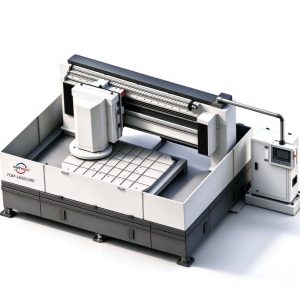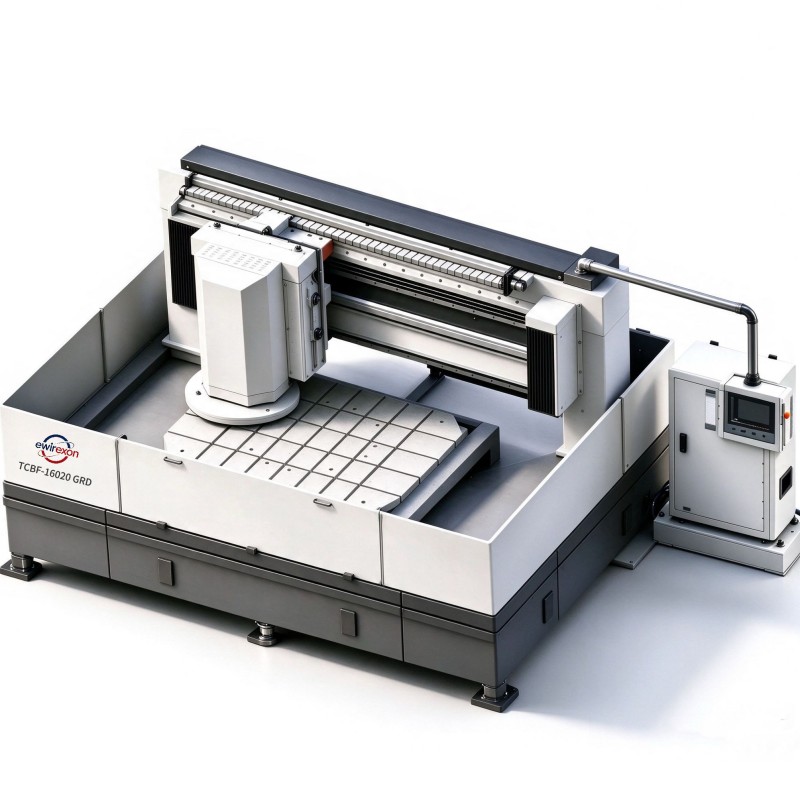
Description
This rotary table lapping and polishing machine is purpose-configured for the high-integrity finishing of aerospace precision parts. It supports validated, repeatable surface conditioning of turbine blades, bushings, and structural fittings—critical components where Ra, Rz, and microcrack control are non-negotiable per AS9100 process validation protocols.
Unlike conventional grinding, its low-stress lapping action minimizes subsurface damage and delivers uniform edge radii across complex geometries. The machine’s 1600 mm diameter × 200 mm height processing travel, 1450 × 1100 mm worktable, and 300–600 mm upper mold plate compatibility enable full-part coverage without repositioning—reducing operator variability and supporting audit-ready process documentation.
Constructed from Q235 structural steel, SS304 stainless, and 6061 aluminum, it meets CE requirements and integrates into controlled manufacturing environments typical of Tier 1/2 aerospace suppliers. Customization is available to align with facility power (380V), footprint (3800×2200×2150 mm), and weight-handling constraints (6000 kg).
Dedicated lapping and polishing machine for aerospace precision parts—including turbine blades, bushings, and structural fittings—designed to meet AS9100 surface treatment validation while eliminating grinding-induced stress and edge inconsistency.
This rotary table lapping and polishing machine is purpose-built for Tier 1 and Tier 2 aerospace suppliers requiring validated, repeatable surface conditioning of mission-critical components. It delivers controlled material removal with minimal subsurface damage—ideal for turbine blades, bushings, and structural fittings where Ra, Rz, and edge integrity must meet strict AS9100 process validation requirements. Unlike aggressive grinding methods, its low-stress lapping action ensures uniform edge radii across complex geometries while eliminating residual stress and microcrack risk. With a 1600 mm diameter × 200 mm vertical travel range and a large 1450 × 1100 mm worktable, it accommodates full-part coverage without repositioning—reducing operator variability and supporting audit-ready documentation. Constructed from Q235 structural steel, SS304 stainless, and 6061 aluminum, the system meets CE standards and integrates seamlessly into controlled manufacturing environments. Fully customizable for voltage (380V), footprint, and load capacity, it supports powder metallurgy molds, carbide tooling, and optical components alongside aerospace applications.