Descripción
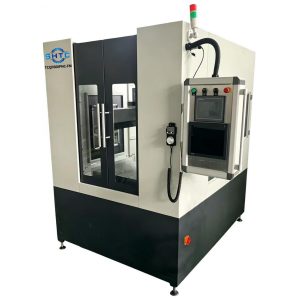
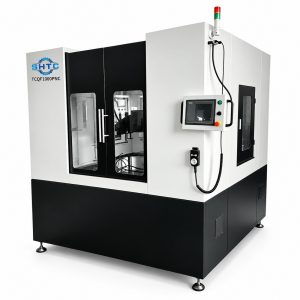
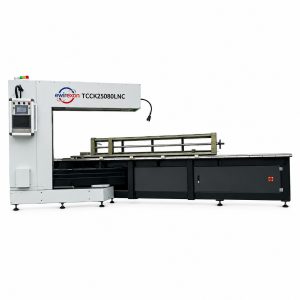
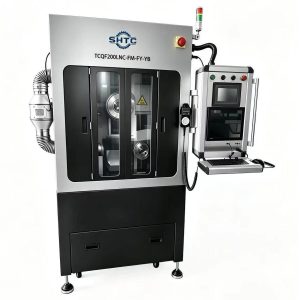
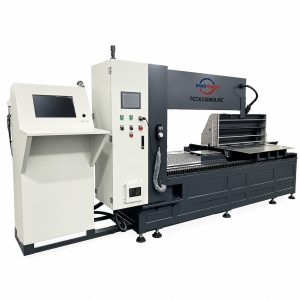
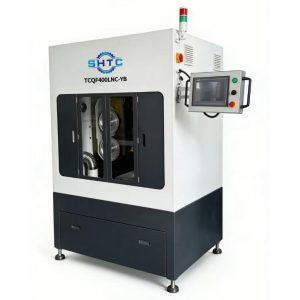
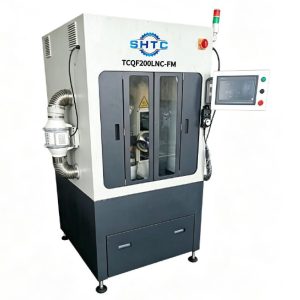
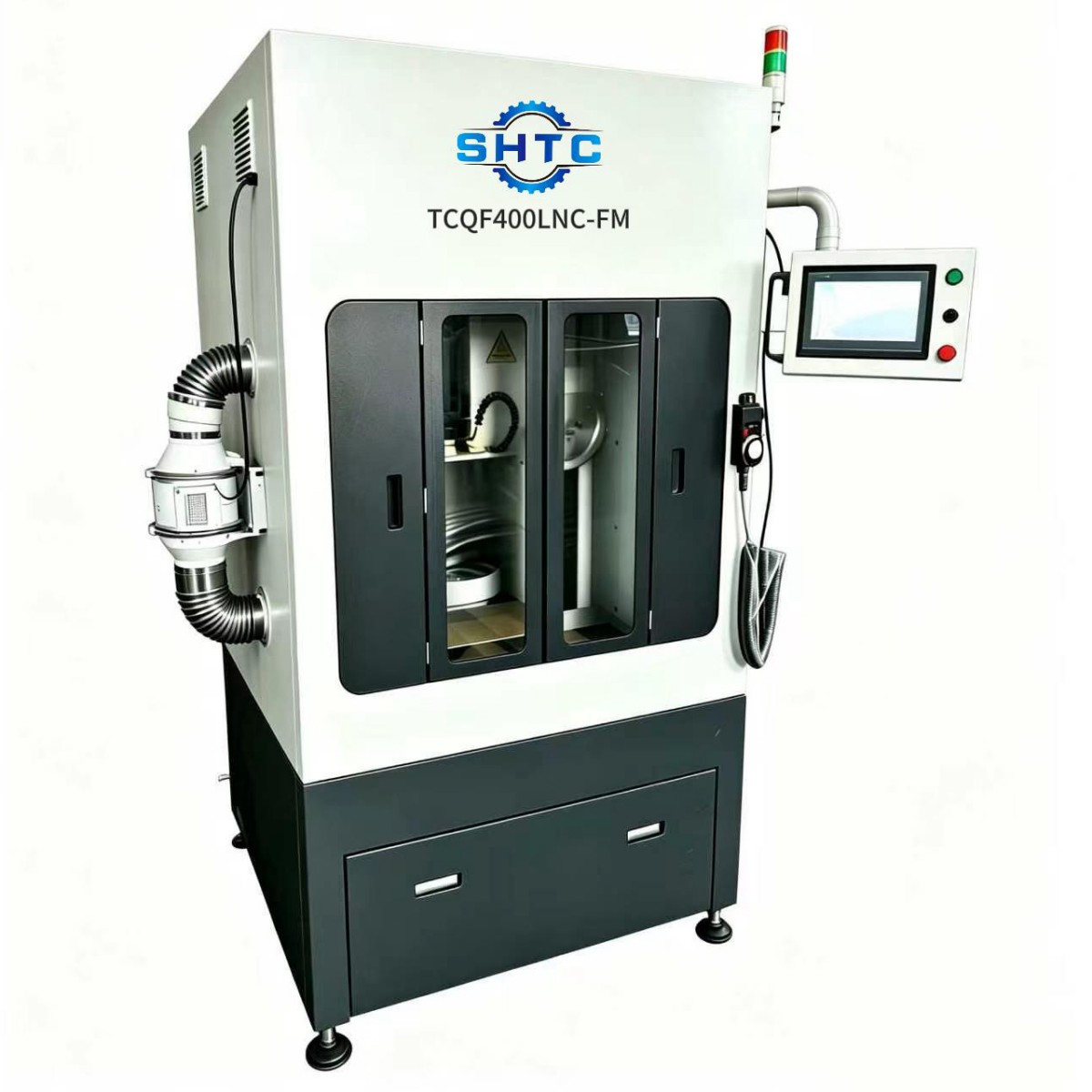
Engineered for demanding B2B graphite processing, this wire saw machine enables dimensionally stable, edge-preserving slicing of conductive graphite electrodes and large structural blocks. Its single-wire diamond ring design minimizes kerf loss and mechanical stress—critical when cutting friable, high-purity graphite used in electrical discharge machining (EDM), battery anode manufacturing, and lightweight aerospace structures.
The system’s precisely controllable wire tension (0–300 N), ultra-fine feed rates (0.01–35 mm/s), and adjustable wire speed (0.1–50 mm/s) prevent chipping, crumbling, or thermal distortion during prolonged graphite cuts. Combined with a rigid Q235+SS304+6061 frame and CE-certified operation, it ensures repeatable accuracy across high-volume production runs.
Unlike abrasive or blade-based alternatives, this wire saw machine eliminates dust agglomeration risks and preserves graphite’s intrinsic conductivity and machinability—directly supporting your requirements for clean, stable, and scalable graphite material processing.
Ultra-precise, low-dust diamond ring saw for cutting friable graphite electrodes and structural blocks—optimized for EDM tooling, battery anode manufacturing, and aerospace-grade graphite components.
This industrial diamond ring saw is purpose-built for B2B graphite processing where dimensional stability, edge integrity, and dust control are non-negotiable. Its single-wire diamond ring design delivers ultra-fine kerf loss and minimal mechanical stress—essential when slicing high-purity, friable graphite used in electrical discharge machining (EDM) electrodes, lithium-ion battery anode blanks, and lightweight aerospace structures. With fully adjustable wire tension (0–300 N), micro-precise feed rates (0.01–35 mm/s), and variable wire speed (0.1–50 mm/s), the system prevents chipping, crumbling, and thermal distortion—even during extended cuts. Constructed with a rigid hybrid frame (Q235 steel, SS304 stainless, and 6061 aluminum) and CE-certified for safe, repeatable operation, it supports high-volume production while preserving graphite’s intrinsic conductivity and post-cut machinability. Unlike abrasive or blade-based alternatives, it eliminates airborne dust agglomeration risks and avoids surface contamination—ensuring consistent material performance across critical applications.