Descripción
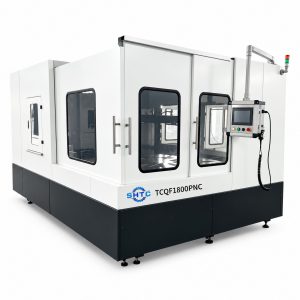
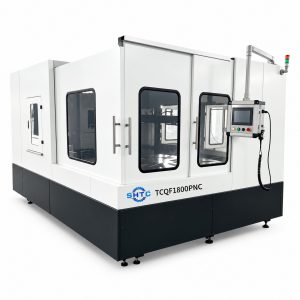
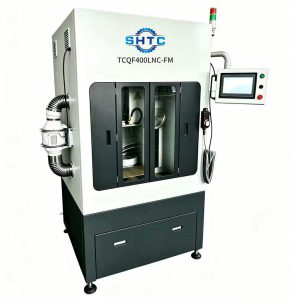
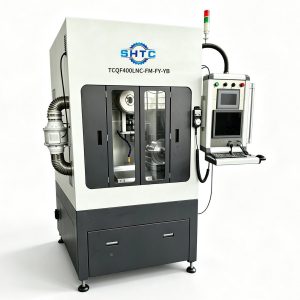
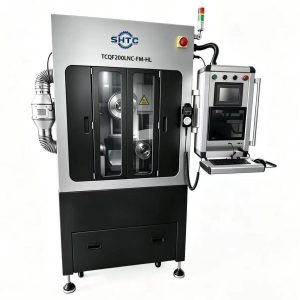
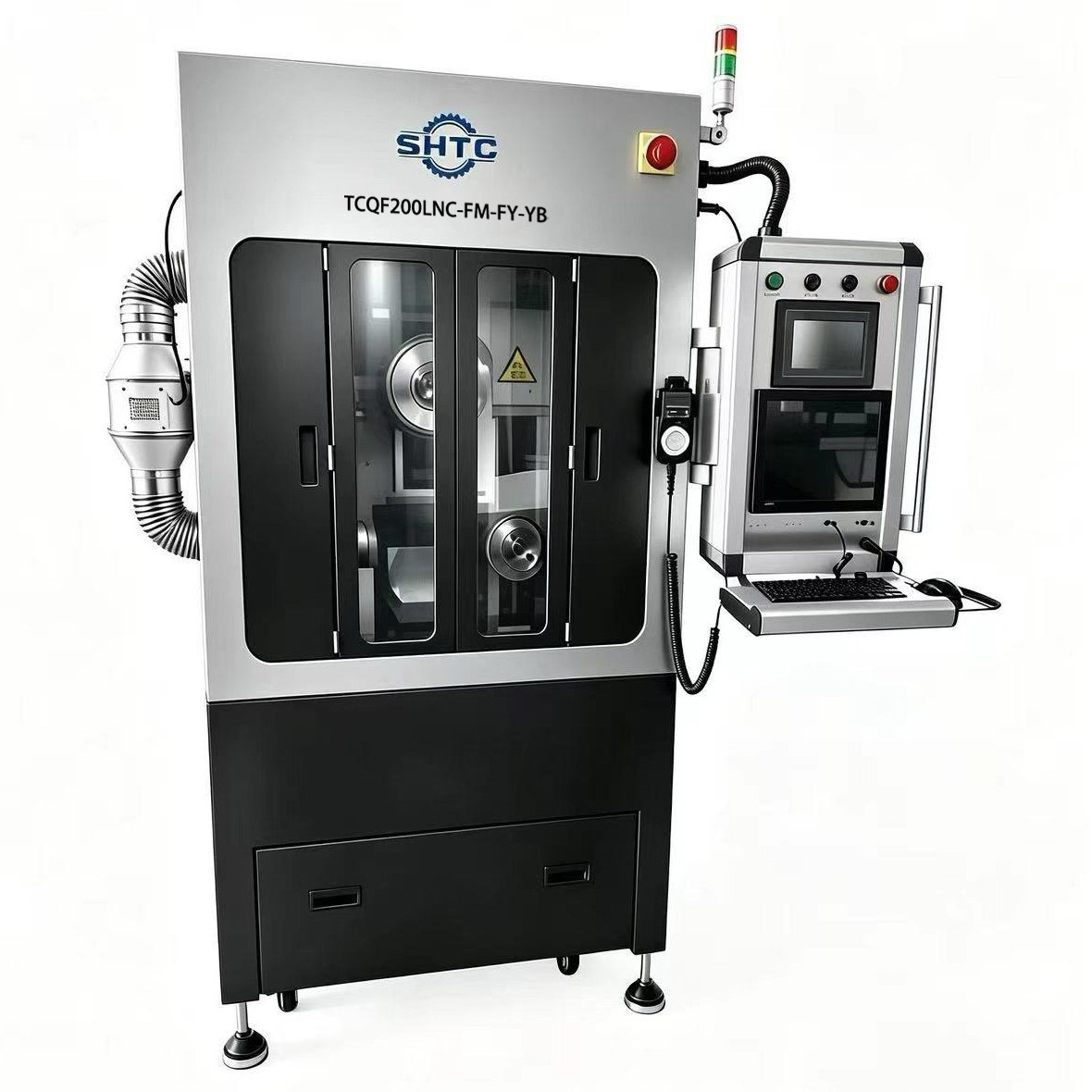
Designed specifically for photonics and instrumentation manufacturers seeking a cost-effective, high-precision mechanical alternative to slower ID saws or thermally disruptive laser cutting, this diamond ring saw enables clean, low-chip, low-taper slicing of specialty engineered materials — including quartz, fused silica, and boros.
Its single-wire architecture, combined with fully adjustable wire speed (0.1–50 mm/s), tension control (0–300 N), and fine X/Y feed rates (0.01–35 mm/s), ensures exceptional dimensional stability and surface integrity on brittle, optically critical substrates. Built with Q235 structural steel, SS304 stainless components, and 6061 aluminum, the system balances rigidity, corrosion resistance, and thermal stability for repeatable lab and pilot-line performance.
The machine’s proven application scope — explicitly including optical glass, sapphire, and precision ceramics — confirms its suitability for quartz and fused silica, which share comparable hardness, brittleness, and thermal sensitivity. Boros, as a high-purity refractory ceramic, falls within the same functional class of precision ceramics covered under the manufacturer’s stated applications.
Engineered for photonics and instrumentation firms, this diamond ring saw enables clean, low-taper slicing of quartz, fused silica, and boros—replacing slower ID saws or thermally disruptive lasers with superior edge quality and yield.
This diamond ring saw delivers repeatable, high-fidelity slicing of ultra-brittle, optically sensitive materials—including quartz, fused silica, and boros—without thermal damage or microcracking. Its single-wire architecture, coupled with fine-tuned control over wire speed (0.1–50 mm/s), tension (0–300 N), and X/Y feed rates (0.01–35 mm/s), ensures exceptional dimensional accuracy and surface finish on substrates where edge quality directly impacts optical performance and yield. Built for lab and pilot-line environments, the system’s rigid Q235 steel frame, corrosion-resistant SS304 and 6061 aluminum components provide thermal stability and long-term mechanical consistency. Validated across optical glass, sapphire, precision ceramics, and CFRP composites, it serves as a proven mechanical alternative to ID saws and laser systems—especially where thermal distortion, kerf loss, or post-processing costs undermine throughput or part reliability.