Descripción
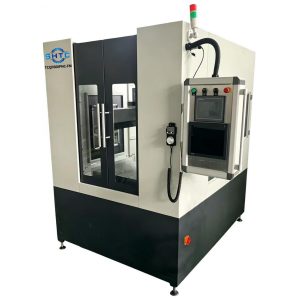
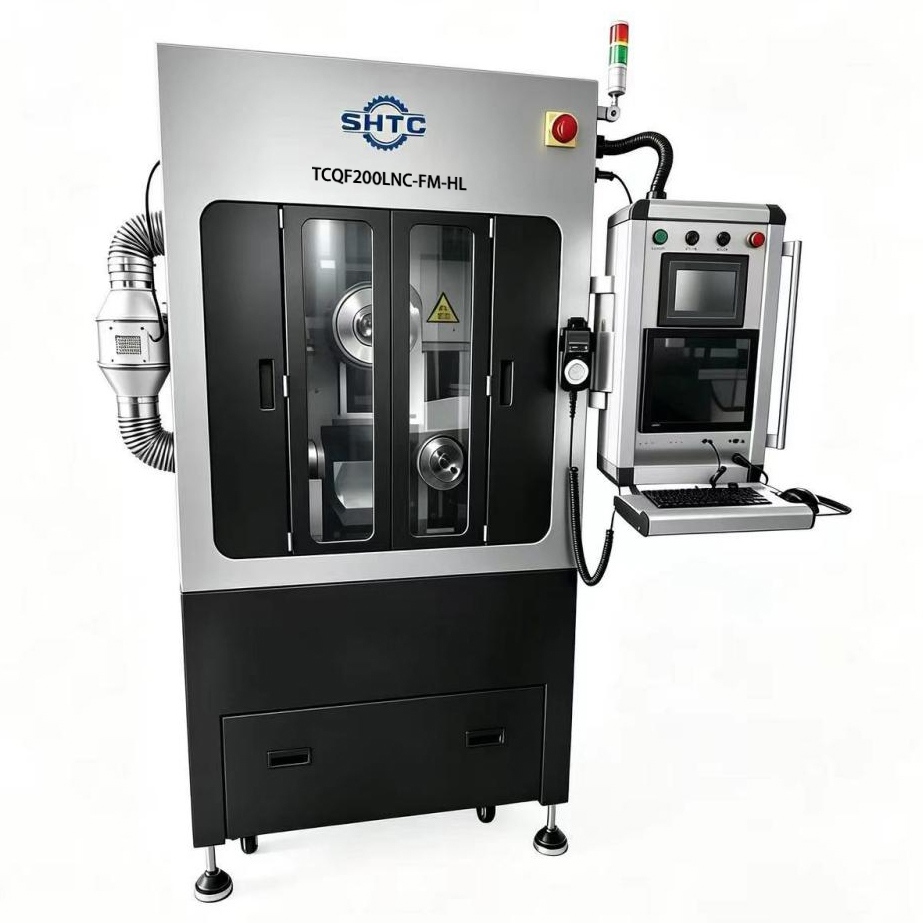
For manufacturers advancing wide-bandgap power electronics, thermal distortion during substrate dicing is a critical bottleneck. This wire cutting machine is purpose-built for semiconductor packaging materials requiring cold, controlled separation—specifically silicon carbide (SiC), gallium nitride (GaN), and low-temperature co-fired ceramic (LTCC) substrates.
Unlike conventional dicing saws, it eliminates heat-induced warpage and subsurface damage through ultra-precise single-wire diamond abrasion. Its adjustable wire speed (0.1–50 mm/s) and tension range (0–300 N) allow fine-tuned optimization for brittle, thermally conductive materials—ensuring clean, flat cuts with minimal kerf loss and no recast layer.
Constructed with Q235 structural steel, SS304 stainless components, and 6061 aluminum, the system supports long-term stability in cleanroom-adjacent environments. CE-certified and built to industrial duty (2.8 kW, 380 V), it integrates seamlessly into advanced packaging pilot lines where precision, repeatability, and material fidelity are non-negotiable.
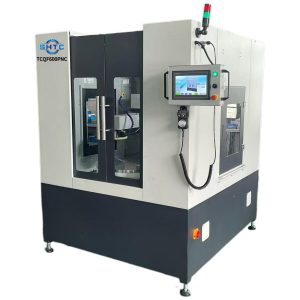
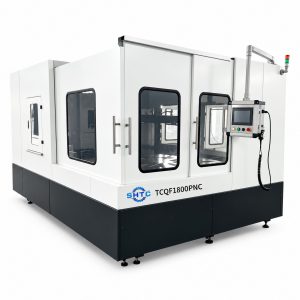
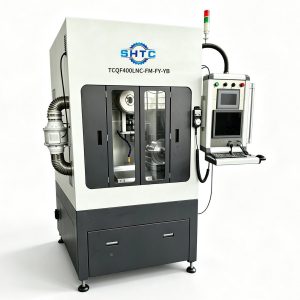
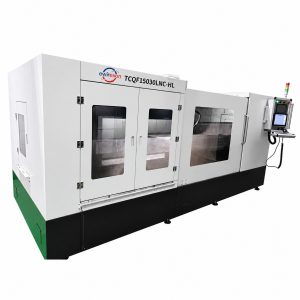
Cold-process diamond ring saw for precision dicing of SiC, GaN, and LTCC substrates—prevents thermal warpage and microcracking in semiconductor packaging applications.
This industrial diamond ring saw delivers true cold separation for thermally sensitive semiconductor packaging materials—including silicon carbide (SiC), gallium nitride (GaN), and low-temperature co-fired ceramic (LTCC) substrates. Unlike conventional abrasive or laser-based dicing methods, it uses a single diamond-impregnated wire with precisely controlled speed (0.1–50 mm/s) and tension (0–300 N) to achieve clean, flat cuts without heat-induced warpage, subsurface damage, or recast layers. Built for reliability in cleanroom-adjacent environments, its robust frame combines Q235 structural steel, SS304 stainless components, and 6061 aluminum. CE-certified and rated for continuous industrial operation (2.8 kW, 380 V), it integrates directly into advanced packaging pilot lines where material fidelity, dimensional repeatability, and minimal kerf loss are essential for wide-bandgap power electronics manufacturing.