Descripción
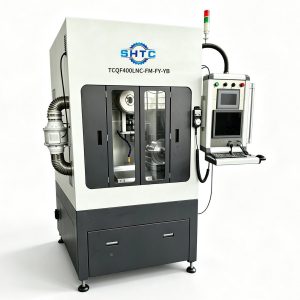
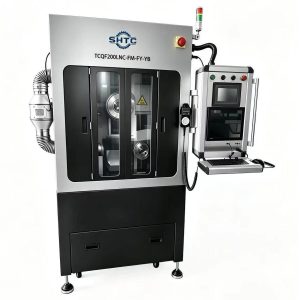
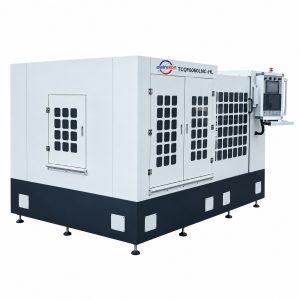
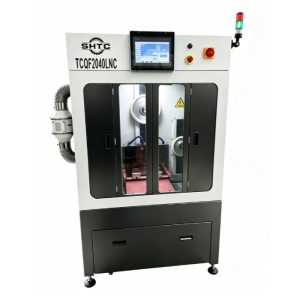
When machining high-purity precision ceramics such as alumina and zirconia for medical device housings, orthopedic implants, or aerospace thermal barriers, conventional abrasive saws introduce unacceptable microfractures, delamination, and thickness variation. This diamond ring saw delivers controlled, low-stress sectioning by leveraging a single-diamond-impregnated wire with fully adjustable mechanical parameters—specifically calibrated for brittle, non-conductive ceramic substrates.
The system’s tension range (0–300 N) allows operators to match force precisely to material hardness and geometry, minimizing lateral stress that causes edge chipping. Combined with independent X/Y axis feed control (0.01–35 mm/s) and variable wire speed (0.1–50 mm/s), it enables repeatable kerf consistency and surface integrity critical for FDA- or AS9100-regulated production. Its rigid Q235+SS304+6061 frame and CE-certified motion control ensure stability during long-duration cuts on dense ceramic blanks.
As confirmed by its official application scope, this diamond ring saw supports ‘Cutting of optical glass, sapphire, precision ceramics, graphite, semiconductor packaging materials and CFRP composites.’ No modification or retrofit is required—it is natively qualified for precision ceramics out of the box.
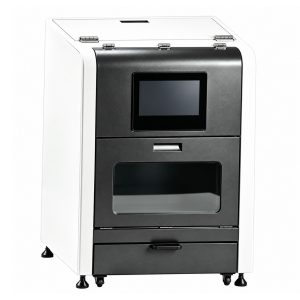
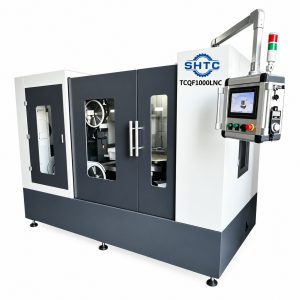
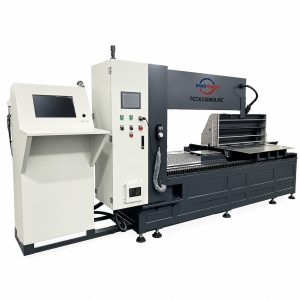
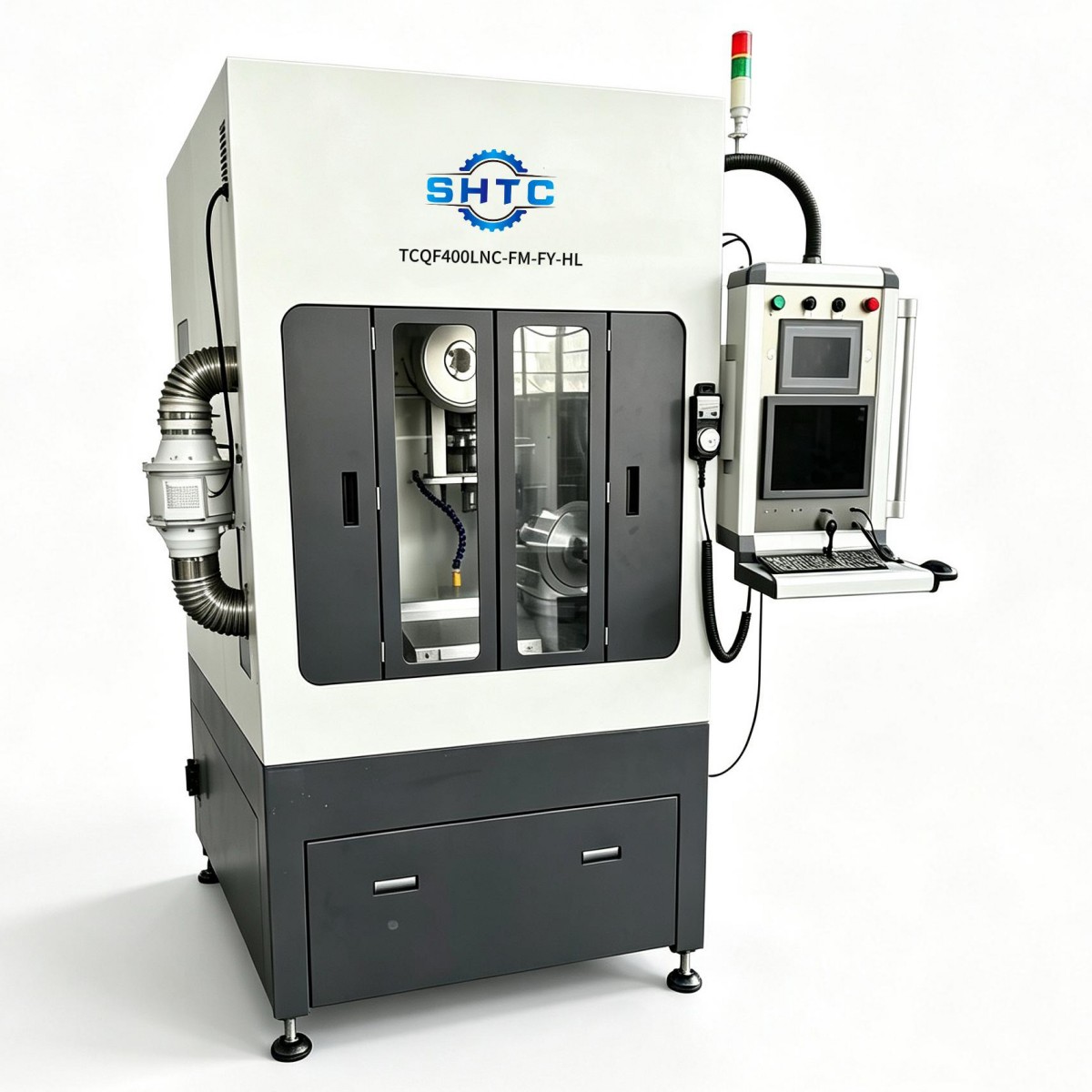
Single-wire diamond ring saw engineered for clean, parallel sectioning of fracture-sensitive precision ceramics—including alumina and zirconia—used in medical implants and aerospace components.
This diamond ring saw is purpose-built for the controlled, microfracture-free sectioning of high-purity brittle ceramics—such as alumina, zirconia, sapphire, and optical glass—critical to regulated medical and aerospace manufacturing. Unlike conventional abrasive saws, its single-diamond-impregnated wire operates under fully adjustable tension (0–300 N) and ultra-fine feed control (X/Y axis: 0.01–35 mm/s), eliminating edge chipping, delamination, and subsurface damage. Ideal for producing orthopedic implant components, hermetic medical device housings, and thermal barrier substrates, it meets stringent FDA and AS9100 process integrity requirements. The rigid hybrid frame (Q235 structural steel, SS304, and 6061 aluminum) and CE-certified motion system ensure long-duration stability on dense ceramic blanks. Also validated for graphite, semiconductor packaging materials, and CFRP composites—no retrofitting required.