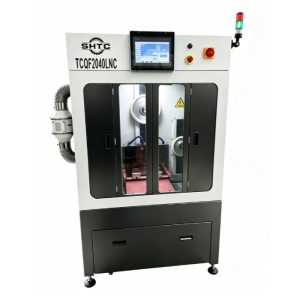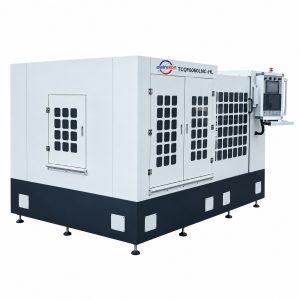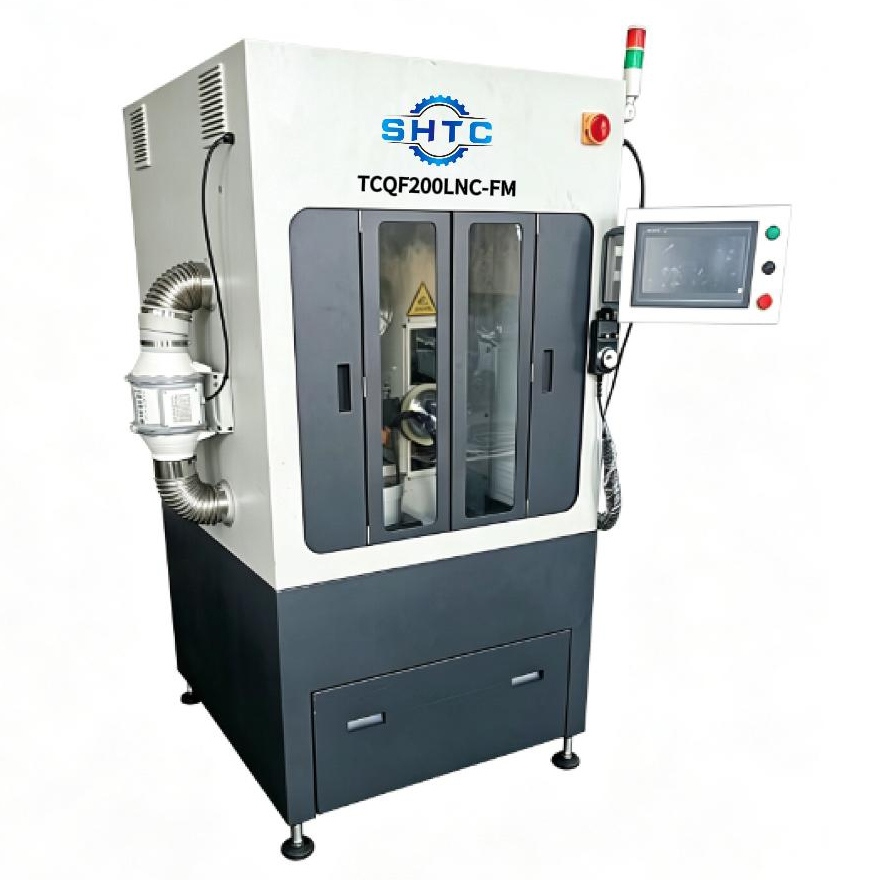
Description
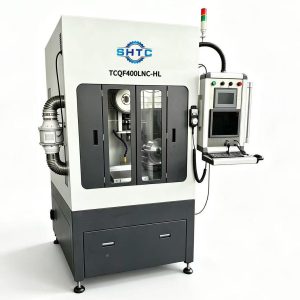
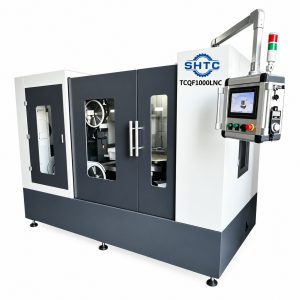
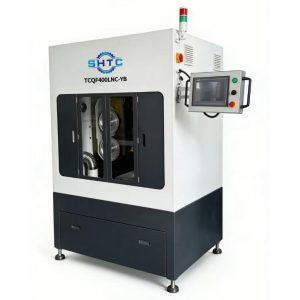
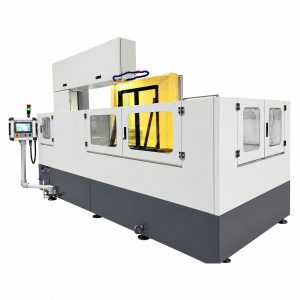
Graphite’s friability and electrical conductivity make conventional mechanical sawing unsuitable for advanced energy R&D: it generates hazardous conductive dust, causes micro-fracturing at cut edges, and yields inconsistent kerf widths that compromise experimental reproducibility. This diamond ring saw (single-wire) is purpose-configured to overcome those challenges—using a continuously moving, tension-controlled diamond-impregnated wire to achieve cold-cutting action with minimal thermal or mechanical stress.
Its precise X/Y axis feed rate (0.01–35 mm/s), adjustable wire speed (0.1–50 mm/s), and fine-tuned tension control (0–300 N) enable stable, vibration-free sectioning of large graphite blocks and cylindrical electrodes—even at sub-millimeter thicknesses. The sealed Q235+SS304+6061 construction supports cleanroom-compatible operation, while CE certification ensures compliance with lab safety and electromagnetic compatibility standards for nuclear and battery research environments.
Unlike abrasive cutoff wheels or band saws, this system eliminates graphite powder dispersion through integrated wire-guided cutting geometry and optional dust extraction interface—reducing operator exposure and downstream contamination risks in sensitive electrode characterization workflows.
Cold-cutting diamond ring saw for low-damage, dust-minimized sectioning of graphite blocks and electrodes—ensuring edge integrity and repeatable kerf width in battery and nuclear R&D labs.
This diamond ring saw is engineered specifically for the demanding requirements of advanced energy research—particularly in lithium-ion battery development and nuclear graphite characterization. Unlike conventional abrasive or mechanical saws, it uses a continuously moving, tension-controlled diamond-impregnated wire to achieve true cold-cutting: eliminating thermal distortion, suppressing micro-fracturing at cut edges, and maintaining sub-millimeter kerf consistency across large graphite blocks and cylindrical electrodes. Its ultra-precise X/Y feed control (0.01–35 mm/s), fine-tuned wire speed (0.1–50 mm/s), and programmable tension (0–300 N) ensure vibration-free operation critical for experimental repeatability. Constructed from Q235 structural steel, SS304 stainless, and 6061 aluminum, the sealed enclosure supports cleanroom integration and compatibility with sensitive analytical workflows—including SEM, XRD, and electrochemical testing. Integrated dust containment and optional extraction interface further reduce operator exposure to hazardous conductive graphite particulates—addressing core safety and contamination concerns in battery lab and nuclear research environments.