Description
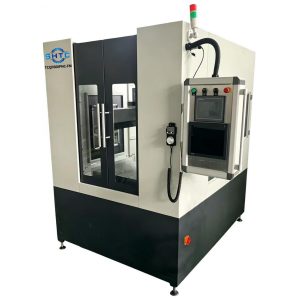
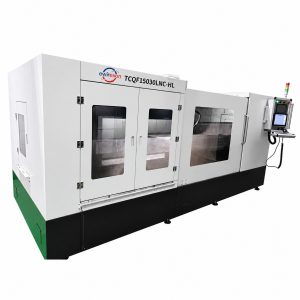
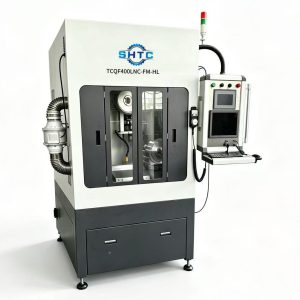
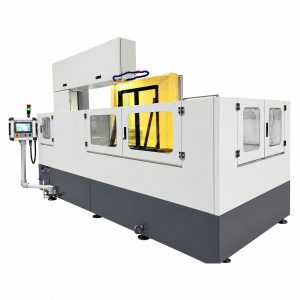
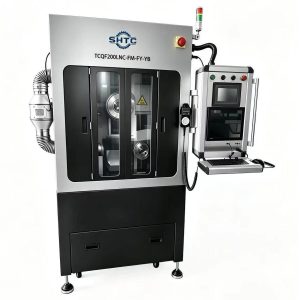
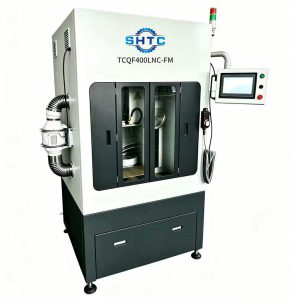
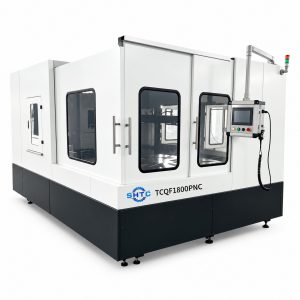
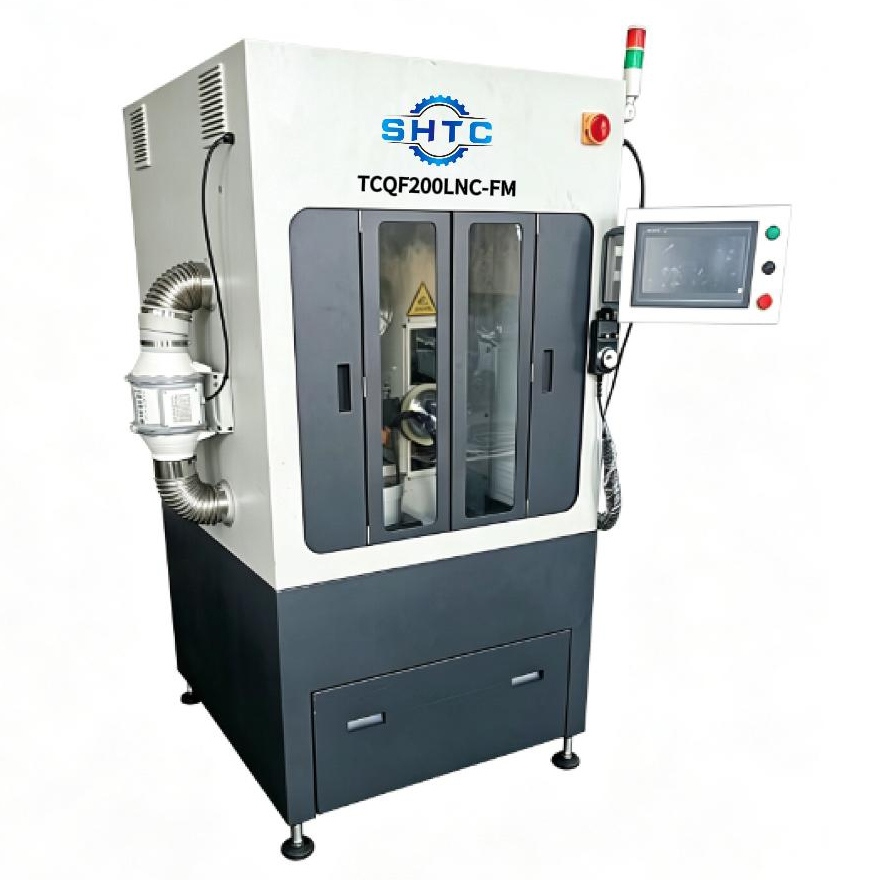
This diamond ring saw is purpose-configured for research laboratories in Canada requiring strict control over conductive graphite dust, spark generation, and thermal input during prototyping of battery anode materials and nuclear-grade components. Its single-wire architecture eliminates abrasive slurry, significantly reducing airborne conductive particulate — a critical advantage when machining graphite electrodes and precision molds.
The system operates with fully adjustable wire tension (0–300 N), ultra-fine feed control (0.01–35 mm/s on X/Y axes), and programmable wire speed (0.1–50 mm/s), enabling cold-cutting conditions that prevent thermal runaway and preserve microstructural fidelity at the cut edge. Constructed from Q235 structural steel, SS304 stainless, and 6061 aluminum, it meets CE safety requirements and integrates seamlessly into controlled lab environments where grounding, static mitigation, and operator proximity are governed by institutional protocols.
As confirmed by its official application scope, this diamond ring saw supports ‘Cutting of optical glass, sapphire, precision ceramics, graphite, semiconductor packaging materials and CFRP composites.’ Graphite is explicitly named — validating its suitability for electrode and mold applications central to advanced energy and nuclear R&D.
CE-certified single-wire diamond ring saw for dust-controlled, non-sparking, cold-cutting of graphite electrodes and precision molds in battery anode and nuclear R&D labs.
This CE-certified diamond ring saw is purpose-built for advanced materials research laboratories—particularly those developing lithium-ion battery anodes, nuclear-grade components, and high-precision graphite molds. Its single-wire architecture eliminates abrasive slurry, drastically reducing airborne conductive graphite dust while preventing sparks and thermal distortion during cutting. With fully programmable wire speed (0.1–50 mm/s), ultra-fine feed control (0.01–35 mm/s), and adjustable tension (0–300 N), it enables true cold-cutting conditions that preserve microstructural integrity at the cut edge. Constructed from Q235 structural steel, SS304 stainless, and 6061 aluminum, the system supports safe integration into grounded, static-mitigated lab environments. Validated for optical glass, sapphire, ceramics, CFRP, semiconductor packaging, and—critically—graphite, it meets stringent institutional safety and operational protocols for prototyping conductive, thermally sensitive materials.