Description
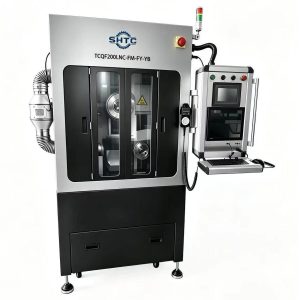
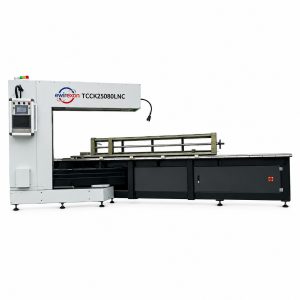
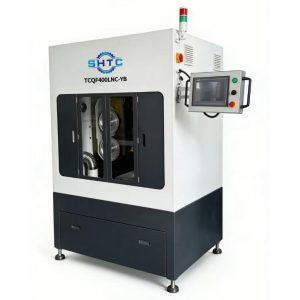
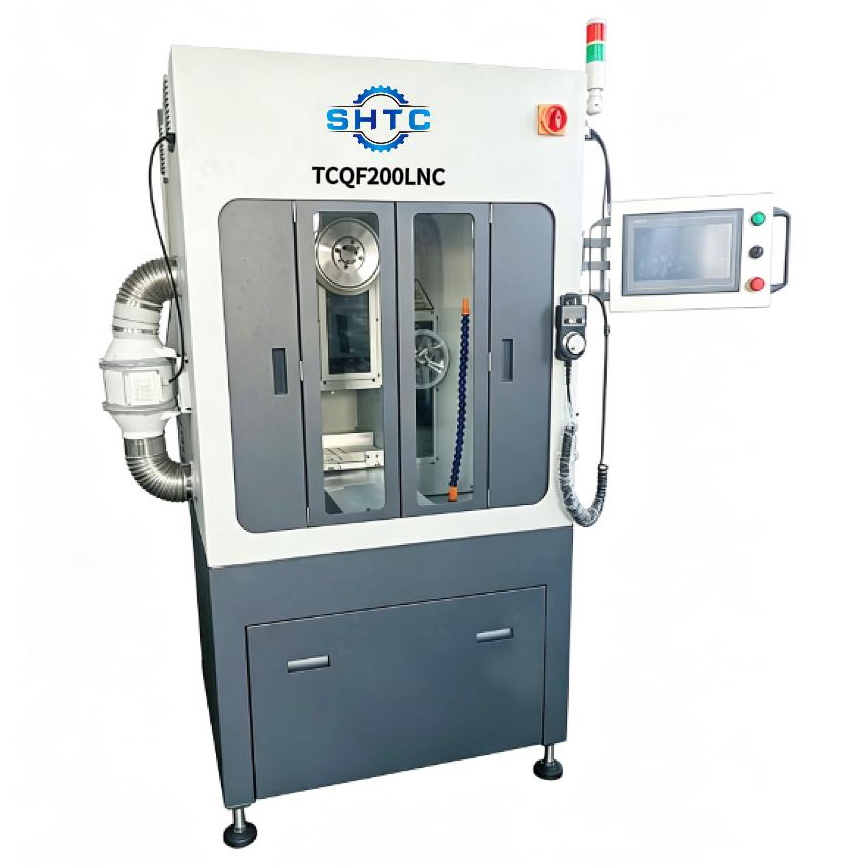
Engineered specifically for demanding academic and startup energy storage labs, this diamond ring saw delivers ultra-precise, low-damage cuts in graphite electrodes and solid graphite blocks. Unlike abrasive band saws that generate hazardous dust, induce micro-cracking via mechanical vibration, and leave rough surfaces requiring post-processing, the single-wire diamond ring saw uses controlled wire tension (0–300 N), adjustable feed rates (0.01–35 mm/s), and variable wire speed (0.1–50 mm/s) to achieve smooth, dimensionally stable sections critical for EDM electrode fabrication and battery anode characterization.
Its Q235+SS304+6061 structural build ensures rigidity during extended graphite cutting cycles, while CE certification and 380V/1.5kW operation support integration into university machine shops and pilot-scale battery labs. Customization is available to match specific graphite block dimensions or automation interface requirements.
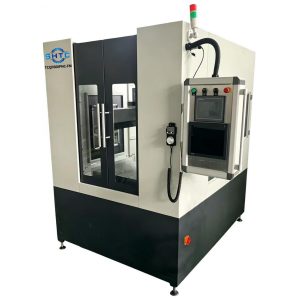
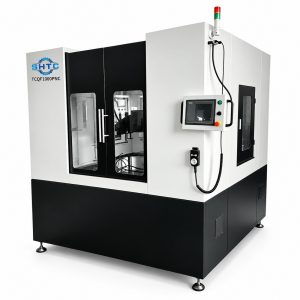
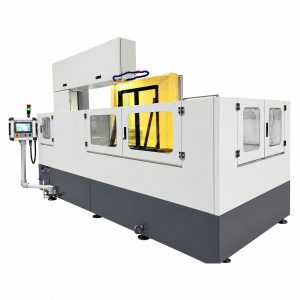
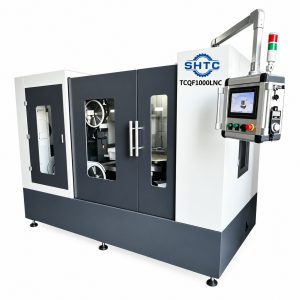
Single-wire diamond ring saw optimized for clean, crack-free cutting of graphite electrodes and blocks—used in battery anode research and EDM electrode preparation.
Designed for academic and startup energy storage laboratories, this single-wire diamond ring saw enables ultra-precise, low-damage sectioning of fine-grain graphite electrodes and solid graphite blocks. It eliminates the micro-cracking, surface roughness, and hazardous airborne dust associated with abrasive band saws—critical when preparing samples for battery anode characterization or EDM electrode fabrication. Controlled wire tension (0–300 N), fine-adjustable feed rates (0.01–35 mm/s), and variable wire speed (0.1–50 mm/s) ensure dimensional stability and repeatability across extended cutting cycles. Built with a rigid Q235 structural frame, stainless steel (SS304) and aluminum (6061) components, it supports demanding lab environments including university machine shops and pilot-scale battery material research facilities. CE-certified and rated for 380V/1.5kW operation, it integrates reliably into existing lab infrastructure—with optional customization for graphite block dimensions or automation interfaces.