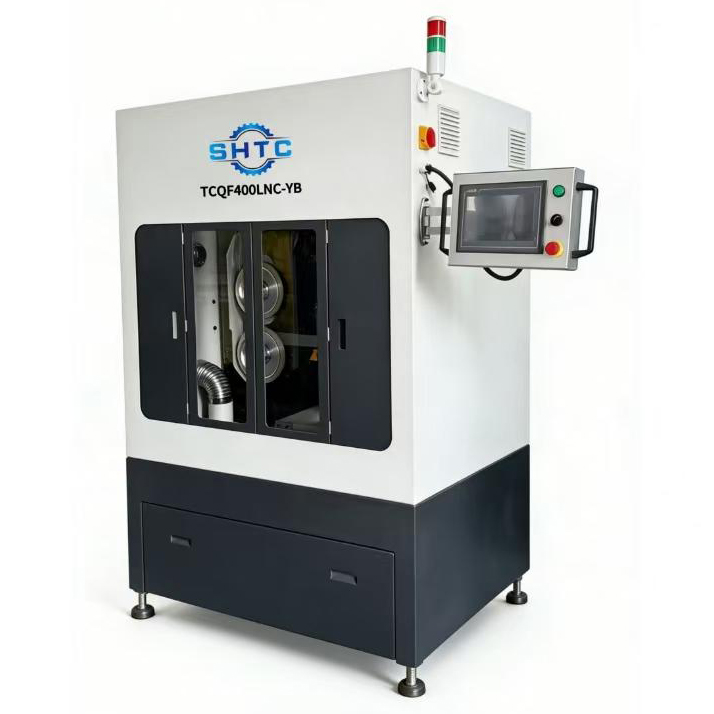
Description
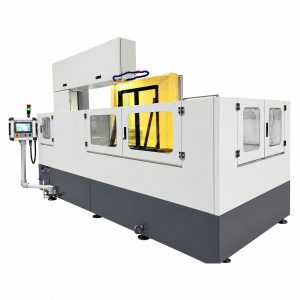
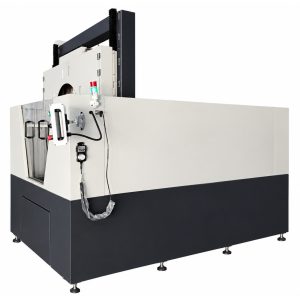
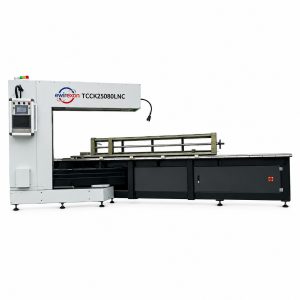
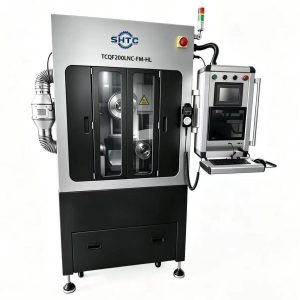
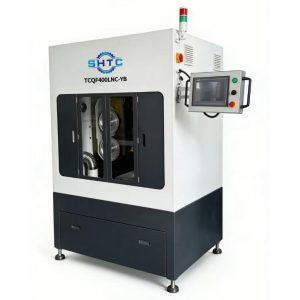
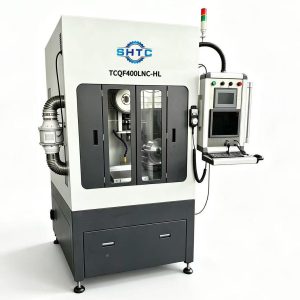
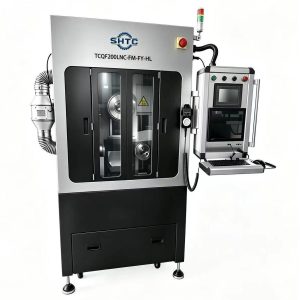
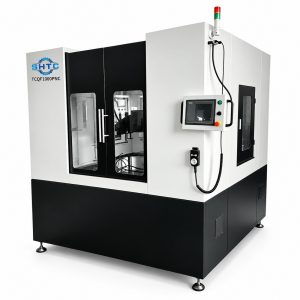
For electronics packaging engineers and academic microfabrication facilities upgrading from laser dicing or abrasive blade saws, the Diamond Ring Saw (Single-Wire Saw) offers a proven cold-cutting alternative that maintains structural integrity and sealing performance in advanced semiconductor packages.
Unlike conventional methods that induce thermal stress or micro-cracking—compromising hermeticity in SiC power modules or LTCC RF packages—this precision wire saw uses a continuously moving diamond-impregnated wire under controlled tension (0–300 N) and ultra-fine feed rates (0.01–35 mm/s). Its sub-micron positional repeatability and adjustable wire speed (0.1–50 mm/s) enable clean, low-damage separation of brittle packaging substrates without delamination or edge chipping.
Supported explicitly for ‘semiconductor packaging materials’ per manufacturer specification, it is routinely deployed for singulating ceramic substrates, silicon carbide wafers, and multilayer co-fired ceramics where die-level yield, mechanical reliability, and vacuum-tight encapsulation are mission-critical.
Cold-cutting diamond ring saw for singulating SiC, LTCC, and ceramic semiconductor packaging substrates—prevents thermal damage, preserves hermeticity, and maximizes die yield.
Engineered for high-reliability electronics packaging and academic microfabrication, this diamond ring saw (single-wire saw) delivers true cold-cutting performance for brittle semiconductor packaging materials. It eliminates thermal stress and mechanical damage associated with laser dicing and abrasive blade saws—critical when singulating silicon carbide (SiC) power module substrates, low-temperature co-fired ceramic (LTCC) RF packages, and alumina or aluminum nitride ceramics. With sub-micron positional repeatability, ultra-fine feed control (0.01–35 mm/s), and programmable wire tension (0–300 N), it ensures clean, chip-free separation without delamination, edge chipping, or compromised vacuum sealing. Widely adopted in R&D labs and pilot production lines where die strength, structural integrity, and long-term hermeticity directly impact device lifetime and field reliability.