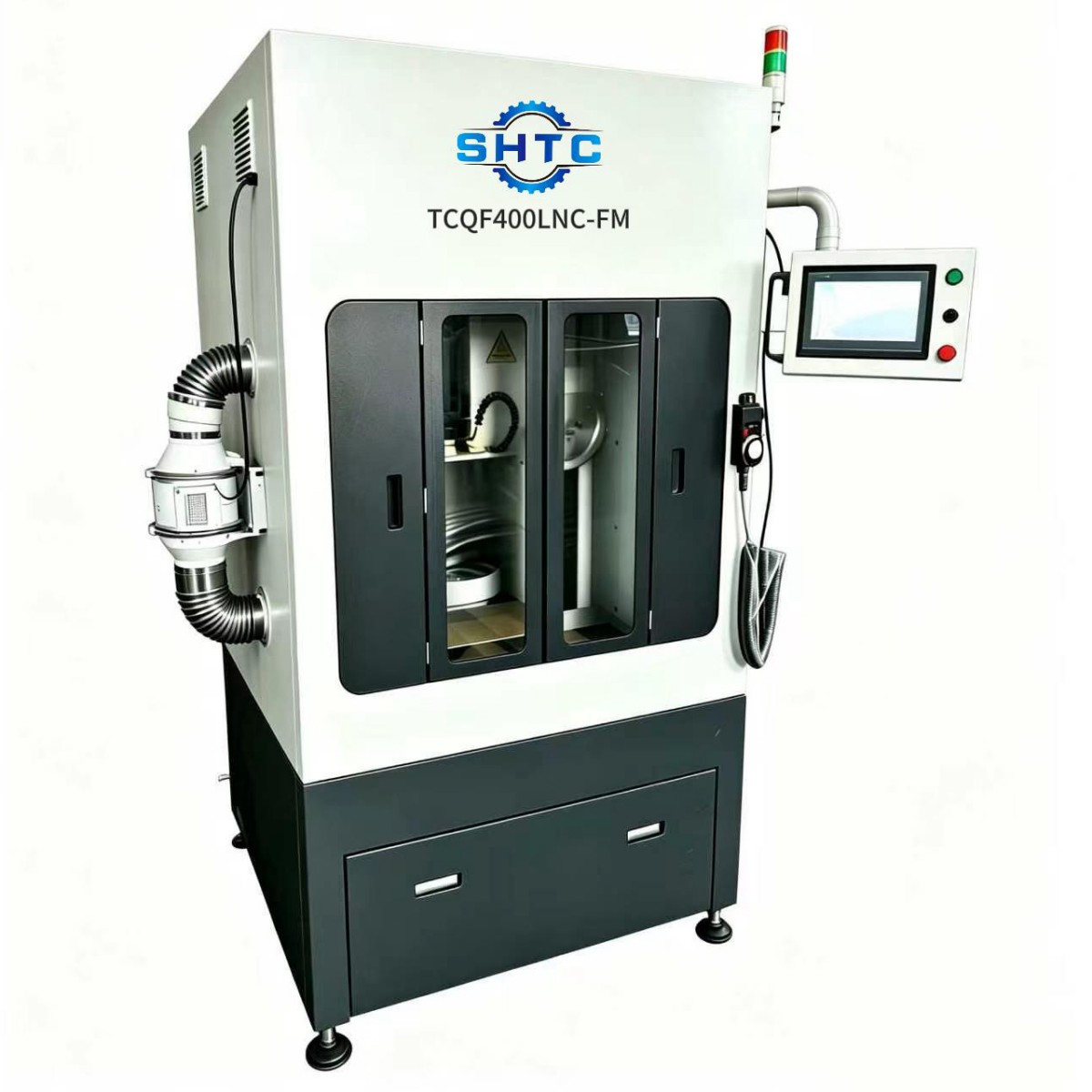
Description
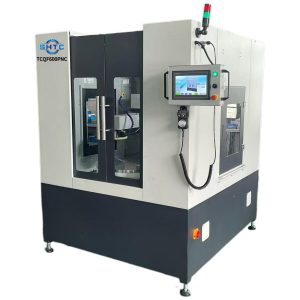
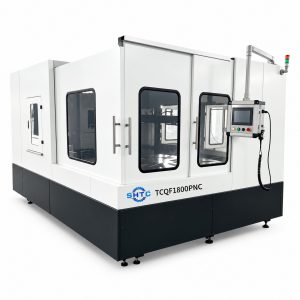
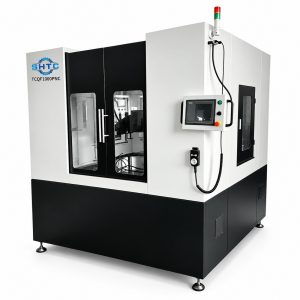
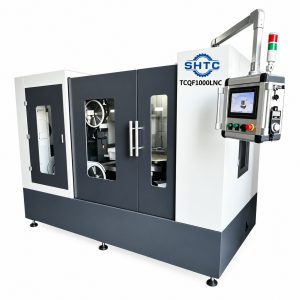
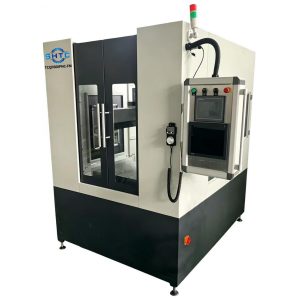
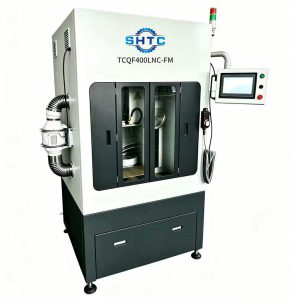
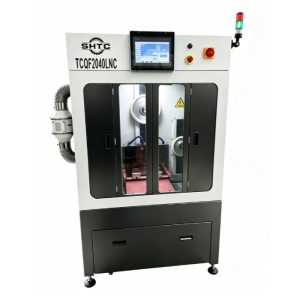
Designed specifically for demanding photonics research environments, this diamond ring saw supports the precise dicing and slicing of transparent crystalline materials where surface integrity and dimensional accuracy are non-negotiable. Its single-wire architecture minimizes kerf loss and mechanical stress, preserving optical homogeneity in sapphire substrates and fused silica or BK7 optical glass.
The system offers fine-grained motion control: X/Y axis feed rates from 0.01 to 35 mm/s and wire speed adjustable between 0.1–50 mm/s—critical for optimizing cut quality in brittle, anisotropic crystals. Combined with programmable tension (0–300 N), it enables stable, chatter-free cutting even at sub-micron depth-per-pass settings required for waveguide layer separation or resonator blank preparation.
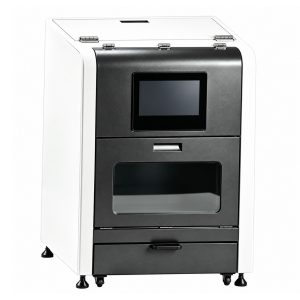
Constructed with Q235 structural steel, SS304 stainless components, and 6061 aluminum for thermal stability, the saw maintains repeatability across extended runs—a necessity for lab-scale process development. CE-certified and built for integration into cleanroom-adjacent or controlled lab spaces (1050×950×1960 mm footprint, 560 kg).
Single-wire diamond ring saw for precise, low-damage dicing of sapphire, optical glass (BK7/fused silica), and ceramics in photonics R&D—including waveguide and microresonator fabrication.
This diamond ring saw is purpose-built for photonics research labs requiring micron-level precision when processing brittle, transparent crystalline materials. Its single-wire architecture delivers minimal kerf loss and exceptional surface integrity—critical for maintaining optical homogeneity in sapphire wafers, BK7 lenses, and fused silica substrates. With programmable wire tension (0–300 N), ultra-fine feed control (0.01–35 mm/s), and adjustable wire speed (0.1–50 mm/s), it supports delicate operations such as waveguide layer separation, microresonator blank preparation, and high-fidelity optical component prototyping. Constructed from thermally stable Q235 steel, SS304 stainless components, and 6061 aluminum, the system ensures dimensional repeatability across extended runs—making it ideal for process development in cleanroom-adjacent or ISO-classified lab spaces.