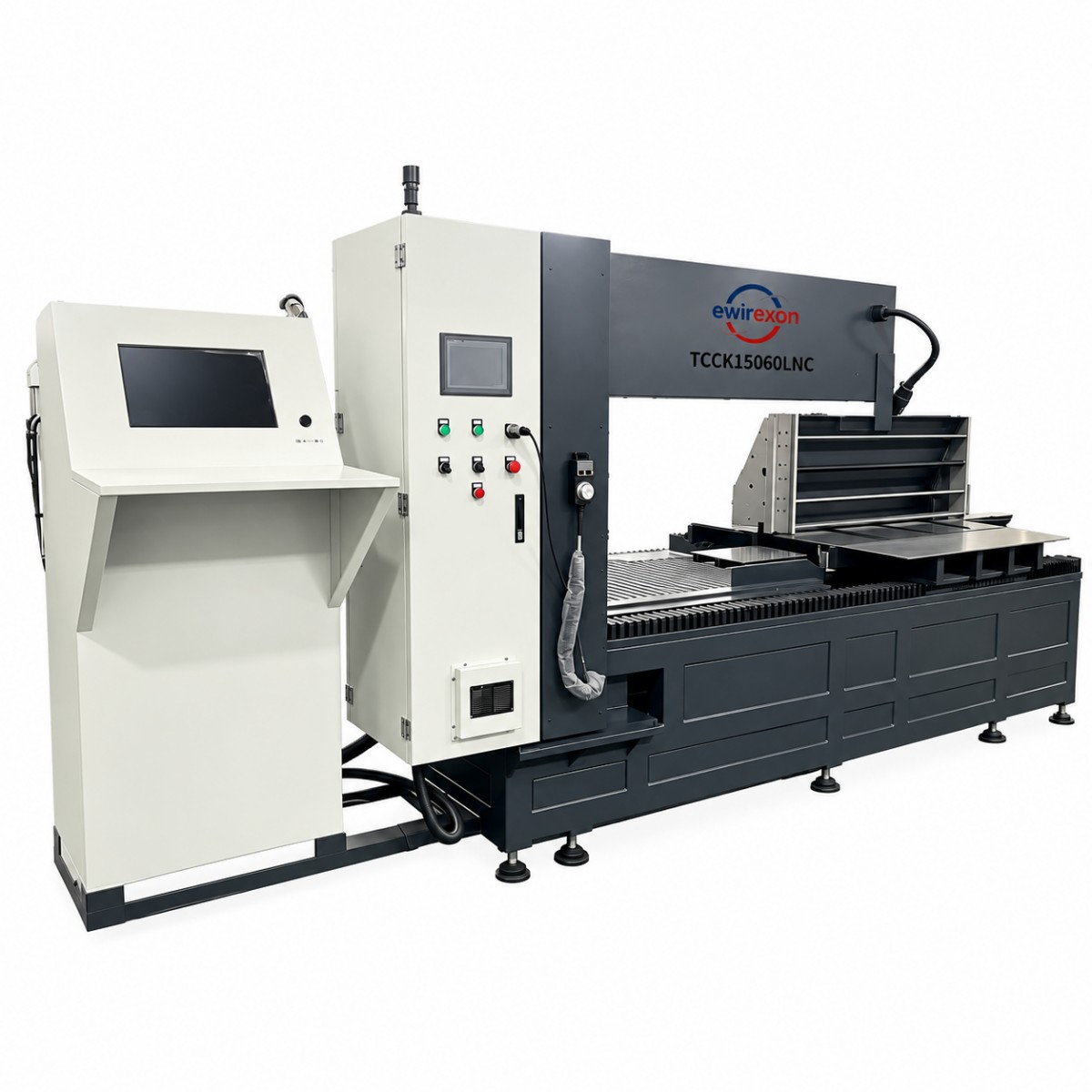
Description
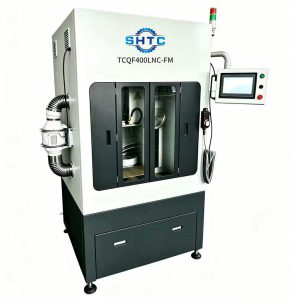
When cutting carbon fibre reinforced polymer (CFRP) composites for aerospace structural components or electric vehicle battery enclosures, conventional abrasive waterjet or milling processes risk delamination, fibre pull-out, and heat-affected zones—especially in high-aspect-ratio sections. This diamond ring saw (single-wire) addresses those challenges directly.
Its ultra-precise wire feed control (0.01–35 mm/s), adjustable tension (0–500 N), and variable wire speed (0.1–35 mm/s) enable consistent, low-stress material removal without mechanical shock or thermal buildup. The system’s rigid Q235+SS304+6061 construction ensures stability during extended cuts through thick, anisotropic CFRP laminates.
Unlike abrasive methods, the diamond-impregnated wire engages the composite with minimal lateral force—preserving interlaminar bond integrity and surface finish. It is explicitly validated for this use: Applications: Cutting of optical glass, sapphire, precision ceramics, graphite, semiconductor packaging materials and CFRP composites.
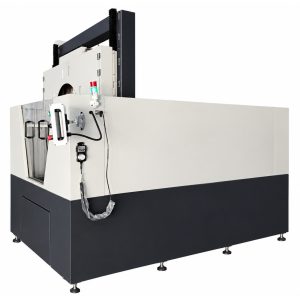
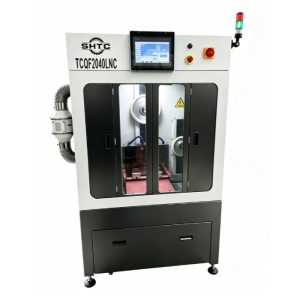
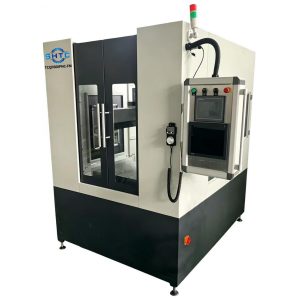
Single-wire diamond ring saw for low-heat, low-stress CFRP composite cutting—optimized for aerospace structural components and EV battery enclosures where edge integrity is non-negotiable.
Engineered for mission-critical applications, this diamond ring saw delivers controlled, low-force sectioning of carbon fibre reinforced polymer (CFRP) laminates—without delamination, fibre pull-out, or thermal damage. Its ultra-fine wire feed control (0.01–35 mm/s), precise tension adjustment (0–500 N), and variable wire speed ensure consistent material removal across high-aspect-ratio sections common in aircraft wing spars, fuselage frames, and electric vehicle battery enclosures. Built with a rigid hybrid frame (Q235 structural steel, SS304 stainless, and 6061 aluminium), it maintains dimensional stability during extended cuts through thick, anisotropic composites. Unlike abrasive waterjet or milling methods, the diamond-impregnated single wire engages CFRP with minimal lateral force—preserving interlaminar bond integrity, edge quality, and surface finish. Validated for use on optical glass, sapphire, precision ceramics, graphite, and semiconductor packaging materials, it supports multi-material R&D and high-mix production environments under CE compliance.