Description
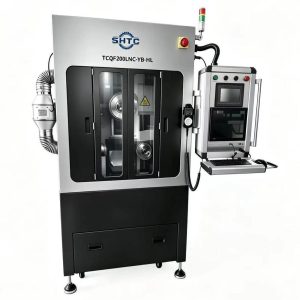
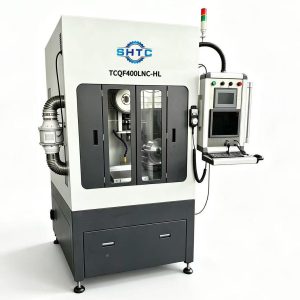
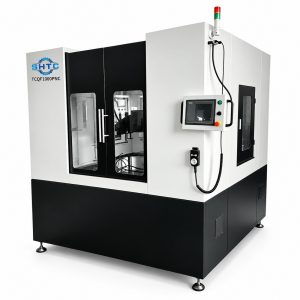
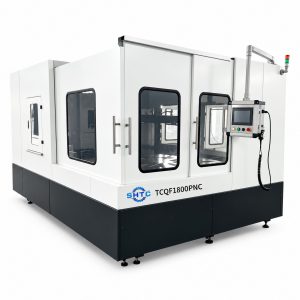
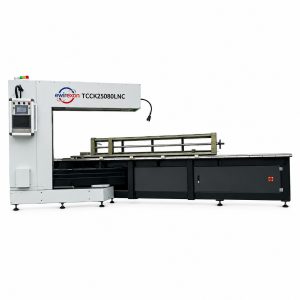
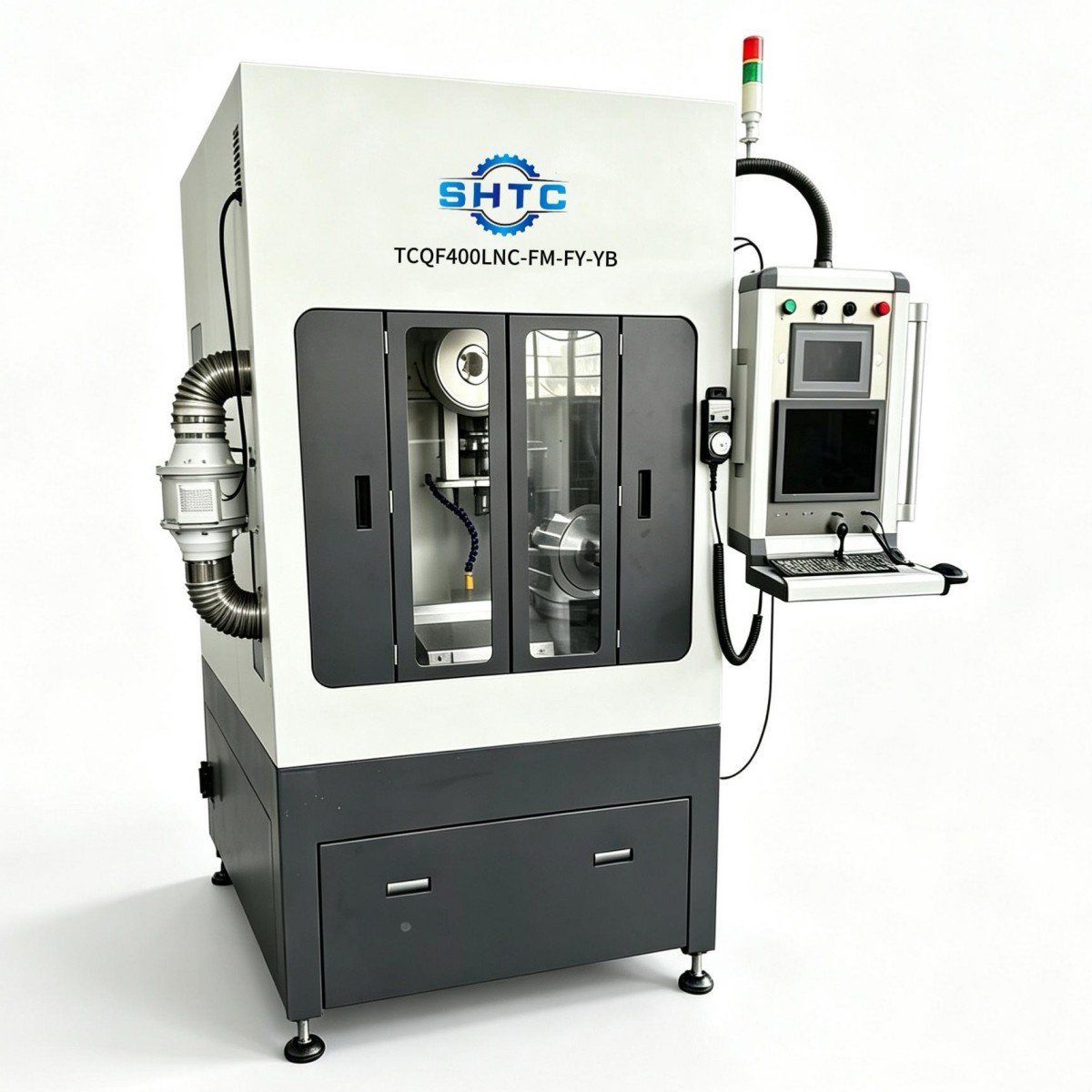
Engineered for demanding R&D environments, this diamond ring saw enables repeatable, high-fidelity sectioning of advanced technical ceramics—including alumina (Al₂O₃), silicon carbide (SiC), zirconia, and boron nitride—used in aerospace components, implantable medical devices, and sensor substrates.
Its single-wire architecture eliminates kerf loss and mechanical stress associated with blade-based systems. With programmable X/Y axis feed rates (0.01–35 mm/s), fine-tuned wire speed (0.1–50 mm/s), and precise tension control (0–300 N), it maintains dimensional accuracy within ±2 µm while suppressing micro-cracking in brittle, high-hardness materials.
The rigid Q235+SS304+6061 frame ensures stability during extended cuts, and CE certification confirms compliance with EU safety standards for laboratory and pilot-line integration. Customization is available to match specific ceramic geometry, throughput, or automation interface requirements.
Single-wire diamond ring saw delivering micron-level feed control, 0–300 N tension adjustment, and ultra-low vibration cutting—optimized for stress-free sectioning of alumina, silicon carbide, zirconia, and other precision technical ceramics.
This industrial diamond ring saw is purpose-built for high-fidelity sectioning of advanced technical ceramics—including alumina (Al₂O₃), silicon carbide (SiC), zirconia, and hexagonal boron nitride—in demanding research, development, and pilot-scale manufacturing environments. Its single-wire architecture eliminates blade-induced kerf loss and mechanical stress, preserving material integrity and enabling repeatable cuts with ±2 µm dimensional accuracy. Programmable X/Y feed rates (0.01–35 mm/s), fine-tuned wire speed (0.1–50 mm/s), and precise tension control (0–300 N) suppress micro-cracking and thermal damage in brittle, high-hardness substrates. The rigid hybrid frame (Q235 structural steel, SS304 stainless, and 6061 aluminum) ensures stability during extended operation, while CE certification supports safe integration into EU-compliant laboratories and pilot lines. Widely deployed for preparing optical sensor substrates, aerospace ceramic components, and biocompatible implantable device blanks.