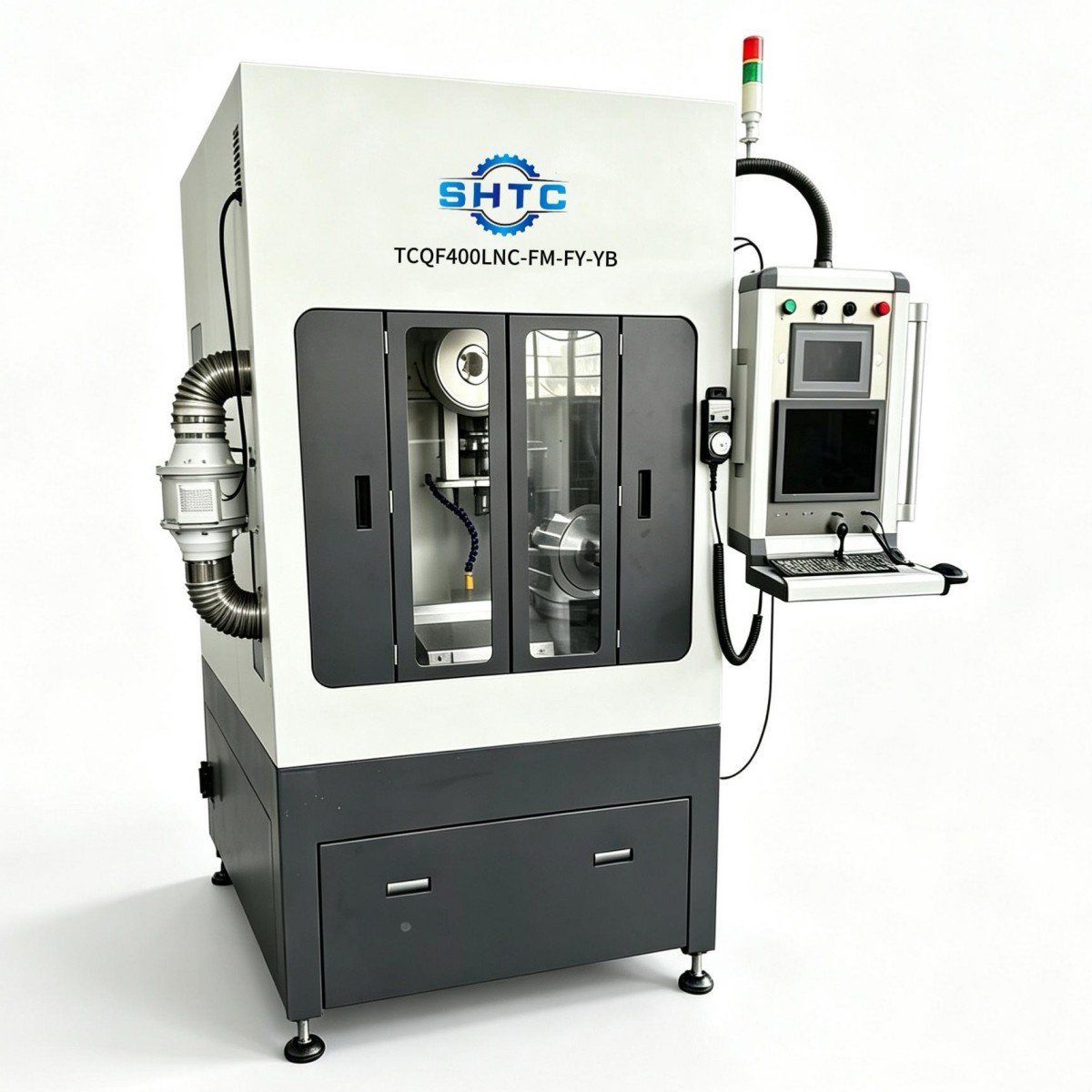
Description
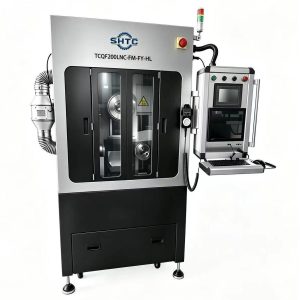
For materials science researchers preparing high-fidelity samples for scanning or transmission electron microscopy (SEM/TEM), mechanical damage from coarse sectioning introduces crystallographic artifacts that compromise imaging and analysis. This diamond ring saw is purpose-configured for ultra-precise, low-stress sectioning of brittle, anisotropic, or layered materials—including research-grade graphite and precision ceramics—without delamination, chipping, or thermal distortion.
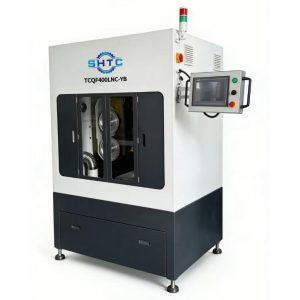
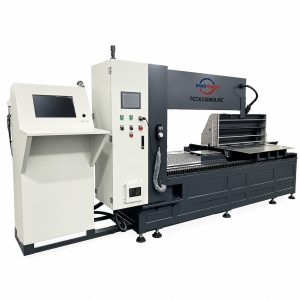
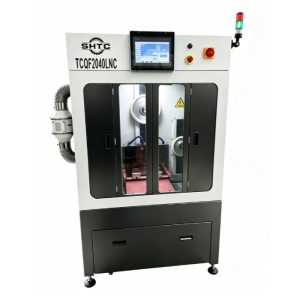
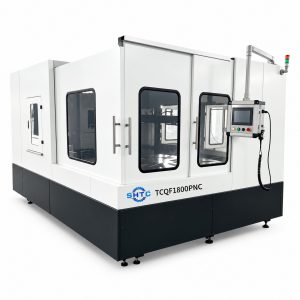
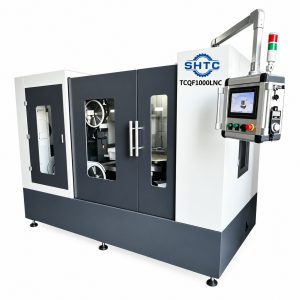
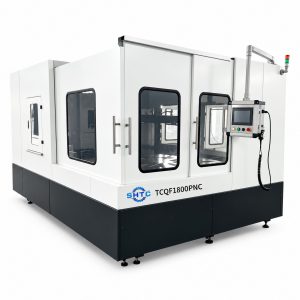
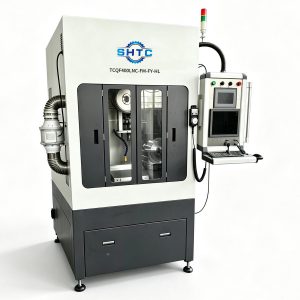
Its single-wire architecture eliminates blade kerf variability and lateral force, while the X/Y axis feed rate range of 0.01–35 mm/s enables true micrometer-scale advancement per cut—critical when isolating lamellae or thinning specimens to electron transparency. The machine’s rigid Q235+SS304+6061 frame and CE-certified motion control system ensure stability during long-duration, low-speed cuts, and its compact footprint (1050×950×1960 mm) fits within controlled lab environments. Power-efficient 1.5 kW operation and 220 V compatibility simplify integration into shared core facilities.
While not vacuum-integrated itself, the saw’s non-outgassing construction and compatibility with standard vacuum-compatible sample holders (e.g., TEM grid mounts or custom ceramic jigs) supports downstream transfer without rehandling—preserving surface integrity and orientation fidelity.
Single-wire diamond ring saw optimized for research-grade sectioning of graphite, ceramics, and composites—enabling sub-micron feed accuracy, minimal mechanical damage, and direct compatibility with SEM/TEM workflows.
Designed specifically for advanced materials science labs, this diamond ring saw delivers ultra-precise, low-damage sectioning essential for high-resolution SEM and TEM sample preparation. Its single-wire architecture eliminates blade kerf variation and lateral forces that cause delamination, chipping, or thermal distortion—critical when preparing fragile, anisotropic, or layered specimens like research-grade graphite, precision ceramics, sapphire, optical glass, semiconductor packaging substrates, and CFRP composites. With X/Y feed rates adjustable from 0.01 to 35 mm/s, it enables true micrometer-scale advancement per cut—ideal for isolating lamellae or thinning samples to electron transparency. Built on a rigid Q235 + stainless steel + 6061 aluminum frame and CE-certified motion control, it ensures vibration-free stability during extended low-speed operations. Its compact footprint (1050 × 950 × 1960 mm), 220 V compatibility, and non-outgassing construction support seamless integration into shared core facilities and downstream vacuum transfer using standard TEM grid mounts or custom ceramic jigs.