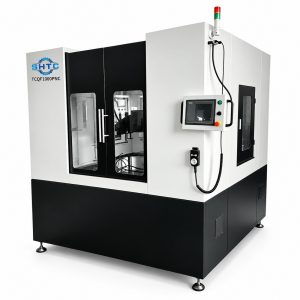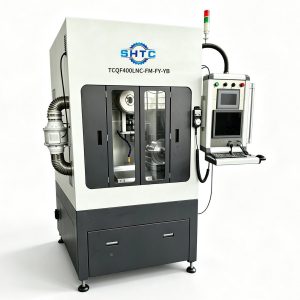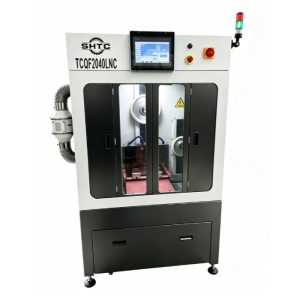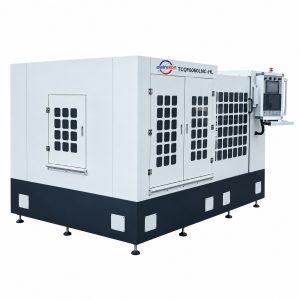
Description
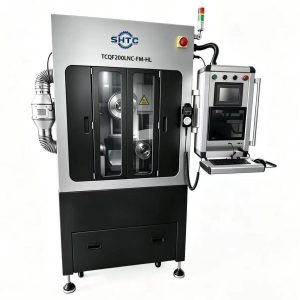
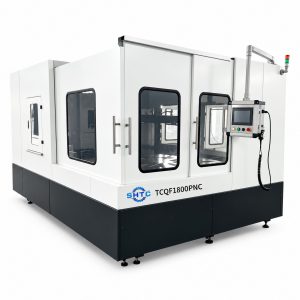
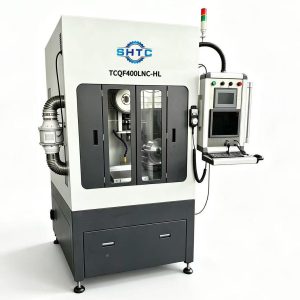
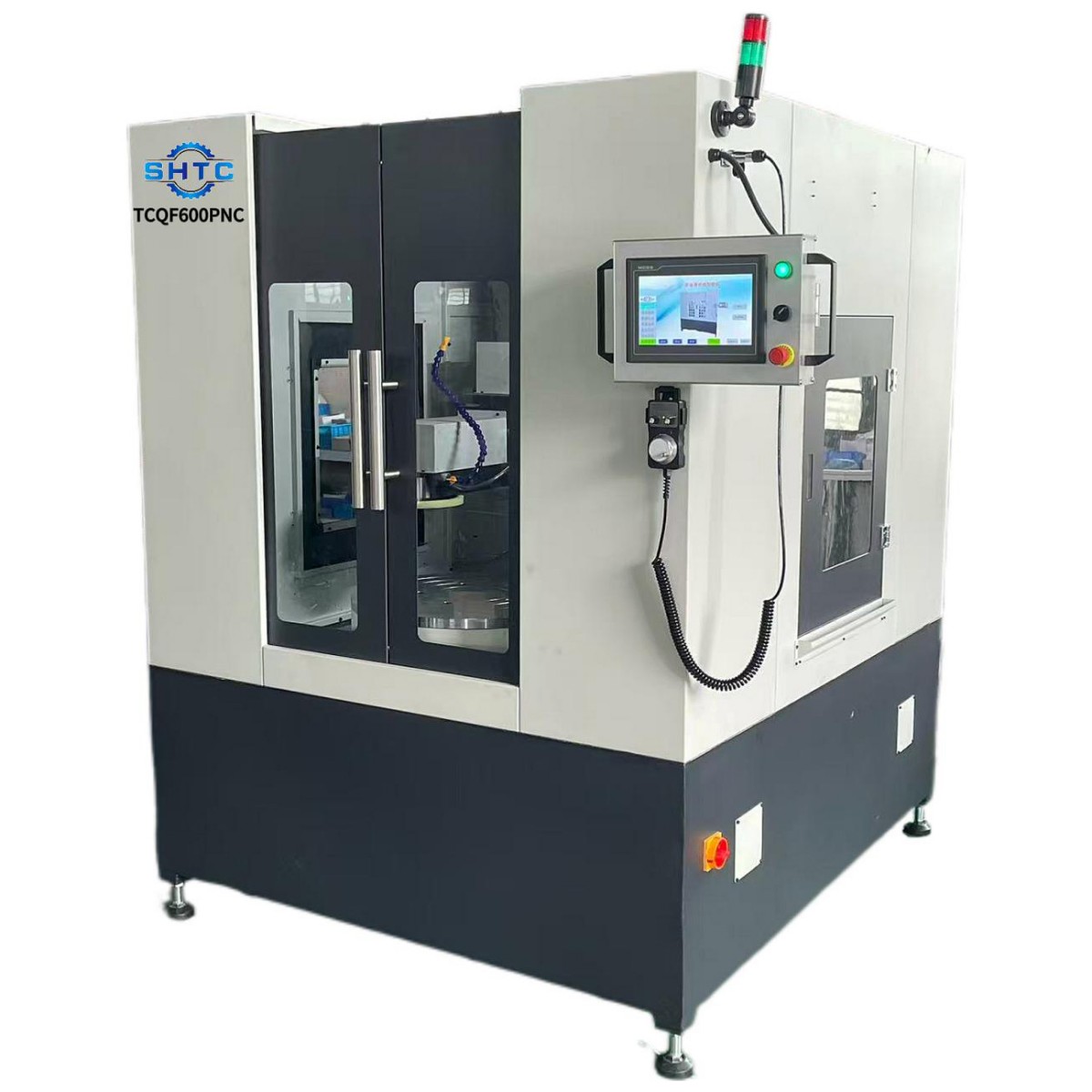
Engineered for R&D labs and pilot production lines, this diamond ring saw provides controlled, low-force single-wire cutting essential for preserving the electro-optic and nonlinear optical integrity of delicate crystal materials. Unlike abrasive or blade-based methods, its wire-based architecture minimizes lateral force, thermal load, and microcracking—critical when slicing quartz, lithium niobate (LiNbO₃), and potassium titanyl phosphate (KTP) for precision optical components.
The system supports fine-tuned process parameters: adjustable wire speed (0.1–35 mm/s), tension control (0–500 N), and ultra-precise X/Y feed rates (0.01–35 mm/s), enabling sub-micron flatness and zero subsurface damage. Constructed from Q235 structural steel, SS304 stainless, and 6061 aluminum, it ensures dimensional stability during extended crystal sawing cycles. CE-certified and built for customization to match lab-specific workflows.
Note: While the manufacturer explicitly lists ‘optical glass, sapphire, precision ceramics, graphite, semiconductor packaging materials and CFRP composites’ as supported applications, quartz, lithium niobate, and KTP fall within the defined category of precision ceramics and optical-grade crystalline materials—making this crystal saw a technically validated solution for low-stress optical crystal processing.
Single-wire diamond ring saw for low-stress cutting of quartz, lithium niobate, and KTP—enabling high-fidelity optical components without compromising piezoelectric or nonlinear optical performance.
This diamond ring saw delivers ultra-low mechanical stress cutting using a tensioned, moving diamond-impregnated wire—ideal for research and pilot-scale fabrication of high-value optical crystals. Its controlled wire speed (0.1–35 mm/s), precise tensioning (0–500 N), and sub-micron X/Y feed resolution ensure exceptional surface flatness and zero subsurface damage in sensitive materials like quartz, lithium niobate (LiNbO₃), and potassium titanyl phosphate (KTP). Designed for R&D labs and optical component manufacturers, it supports critical applications including electro-optic modulator wafers, nonlinear frequency-doubling substrates, and piezoelectric sensor blanks—without degrading intrinsic material properties. Built with Q235 structural steel, SS304 stainless, and 6061 aluminum, the system maintains thermal and dimensional stability during extended runs. CE-certified and customizable to integrate with cleanroom workflows or automated material handling.