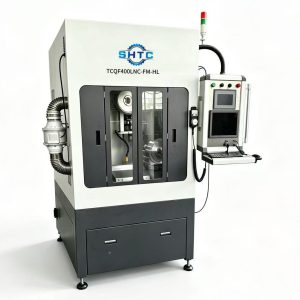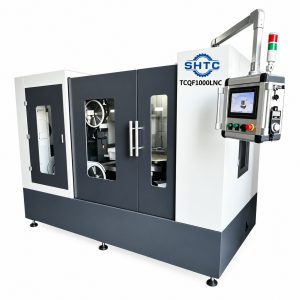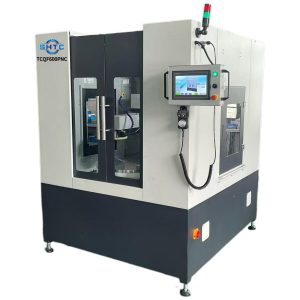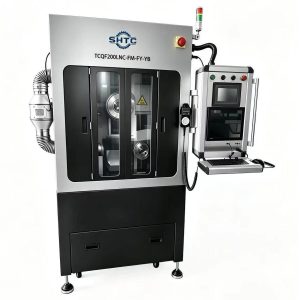
Description
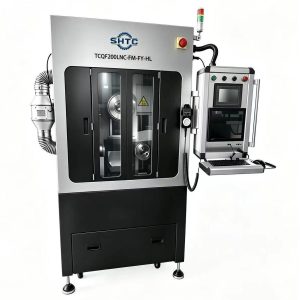
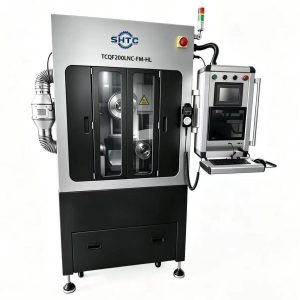
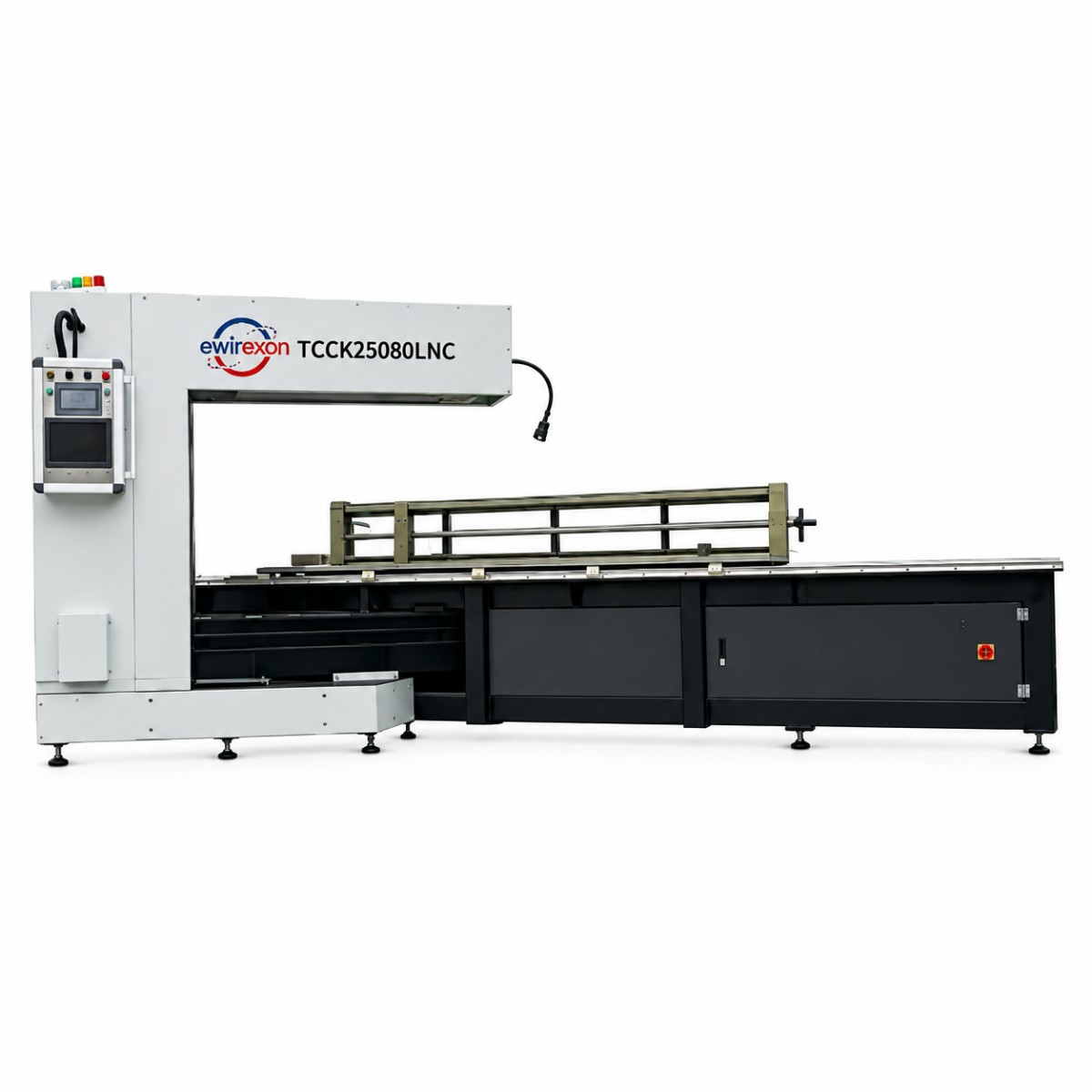
This diamond ring saw delivers micron-level precision when sectioning dense, brittle precision ceramics such as aluminum oxide (Al₂O₃), silicon nitride (Si₃N₄), and zirconia (ZrO₂). Designed specifically for materials science laboratories and contract manufacturers supporting aerospace and medical implant R&D, it eliminates the microcracking, edge chipping, and rapid blade wear associated with conventional abrasive or carbide saws.
Its single-wire architecture—combined with adjustable wire speed (0.1–35 mm/s), fine-tuned tension control (0–500 N), and sub-micron X/Y feed rates (0.01–35 mm/s)—enables reproducible kerf widths and exceptional surface integrity. The robust Q235+SS304+6061 frame ensures vibration-free operation during extended cuts through sintered or HIP’d ceramic blanks.
CE-certified and built for integration into controlled lab environments, this saw supports R&D workflows where dimensional fidelity, subsurface damage minimization, and material property preservation are non-negotiable.
Single-wire diamond ring saw optimized for clean, low-damage sectioning of hard precision ceramics—including alumina, silicon nitride, and zirconia—used in aerospace component prototyping and medical implant development.
This diamond ring saw is purpose-built for demanding R&D environments where preserving material integrity during sectioning is critical. Unlike conventional abrasive or carbide tools, its single-diamond-wire architecture eliminates microcracking, edge chipping, and premature blade wear—common failures when cutting dense, brittle ceramics like aluminum oxide (Al₂O₃), silicon nitride (Si₃N₄), and zirconia (ZrO₂). With sub-micron X/Y feed control (0.01–35 mm/s), precise wire tension adjustment (0–500 N), and ultra-fine speed regulation (0.1–35 mm/s), it ensures repeatable kerf widths and exceptional surface finish. Its hybrid Q235+SS304+6061 frame delivers rigid, vibration-free performance during extended cuts through sintered or hot-isostatically pressed (HIP’d) ceramic blanks. CE-certified and designed for integration into controlled laboratory settings, it supports high-fidelity prototyping for aerospace components, medical implants, optical substrates, and advanced semiconductor packaging materials.