Description
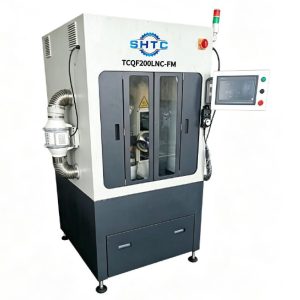
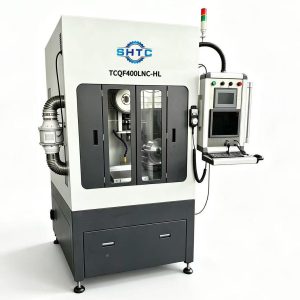
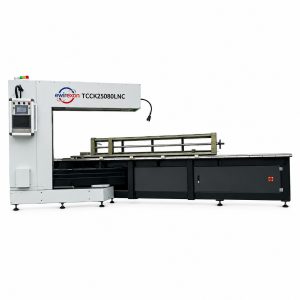
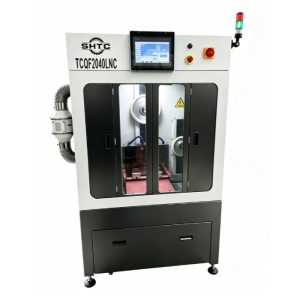
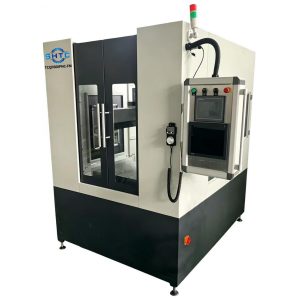
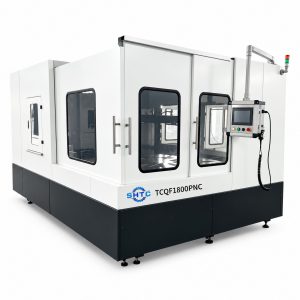
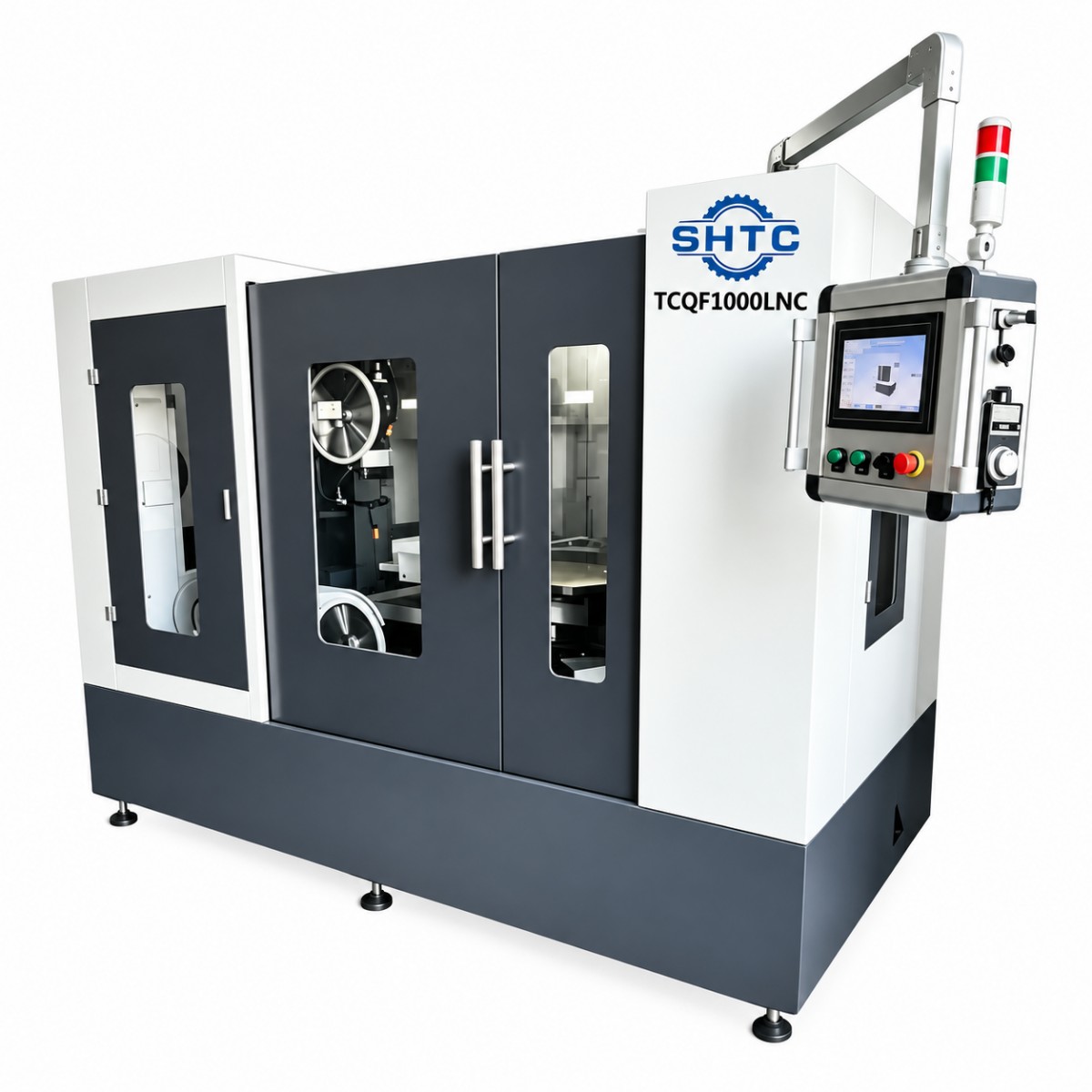
Engineered specifically for the demanding requirements of advanced electronics manufacturing, this crystal saw enables distortion-free, low-damage slicing of fine-grained technical ceramics such as alumina (Al₂O₃), aluminum nitride (AlN), and zirconia (ZrO₂). Unlike conventional abrasive or mechanical saws—which induce microcracking, edge chipping, or thermal stress—this diamond ring saw (single-wire) uses precisely tensioned, continuously moving diamond-impregnated wire to achieve exceptional surface finish, minimal kerf loss, and ±1.5 µm positional repeatability across X/Y axes.
The system’s ultra-fine feed rate control (0.01–35 mm/s), adjustable wire speed (0.1–35 mm/s), and programmable tension (0–500 N) allow process optimization for brittle, high-hardness ceramic grades commonly used in RF modules, power electronics, and hermetic packaging. Its rigid Q235+SS304+6061 frame and CE-compliant 380V/5.6 kW drive ensure stable operation in cleanroom-adjacent production environments.
Supported per manufacturer specification: ‘Applications: Cutting of optical glass, sapphire, precision ceramics, graphite, semiconductor packaging materials and CFRP composites.’
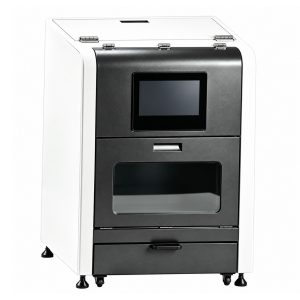
Micron-accurate diamond ring saw for low-damage slicing of precision ceramics—alumina, AlN, zirconia—used in semiconductor substrates, insulators, and advanced electronic packaging.
This diamond ring saw is purpose-built for high-fidelity machining of advanced technical ceramics—including alumina (Al₂O₃), aluminum nitride (AlN), and zirconia (ZrO₂)—used in semiconductor substrates, RF and power electronic components, and hermetic packaging. Its single-wire, continuously moving diamond-impregnated architecture eliminates microcracking and thermal stress common with abrasive or mechanical saws. With ±1.5 µm positional repeatability, ultra-fine feed control (0.01–35 mm/s), programmable wire tension (0–500 N), and cleanroom-compatible construction (Q235+SS304+6061 frame, CE-certified 380V/5.6 kW drive), it delivers exceptional surface finish and minimal kerf loss. Also validated for optical glass, sapphire, graphite, CFRP composites, and semiconductor packaging materials.