Description
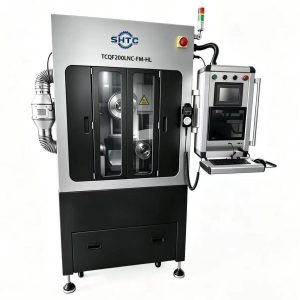
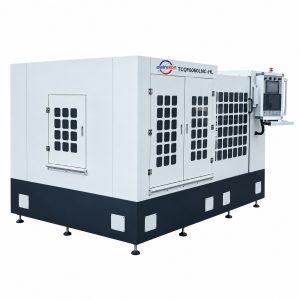
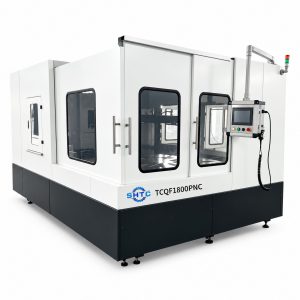
For aerospace and automotive engineering teams prototyping with carbon fiber reinforced polymer (CFRP) composites, conventional rotary or abrasive tools risk delamination, fiber pull-out, and polymer matrix melting. This diamond ring saw eliminates those failures by using a tensioned, continuously moving diamond-impregnated wire that cuts with minimal lateral force and near-zero heat generation.
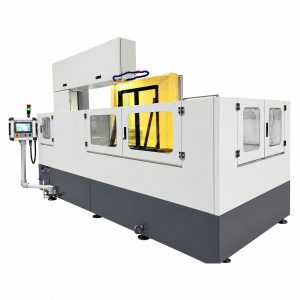
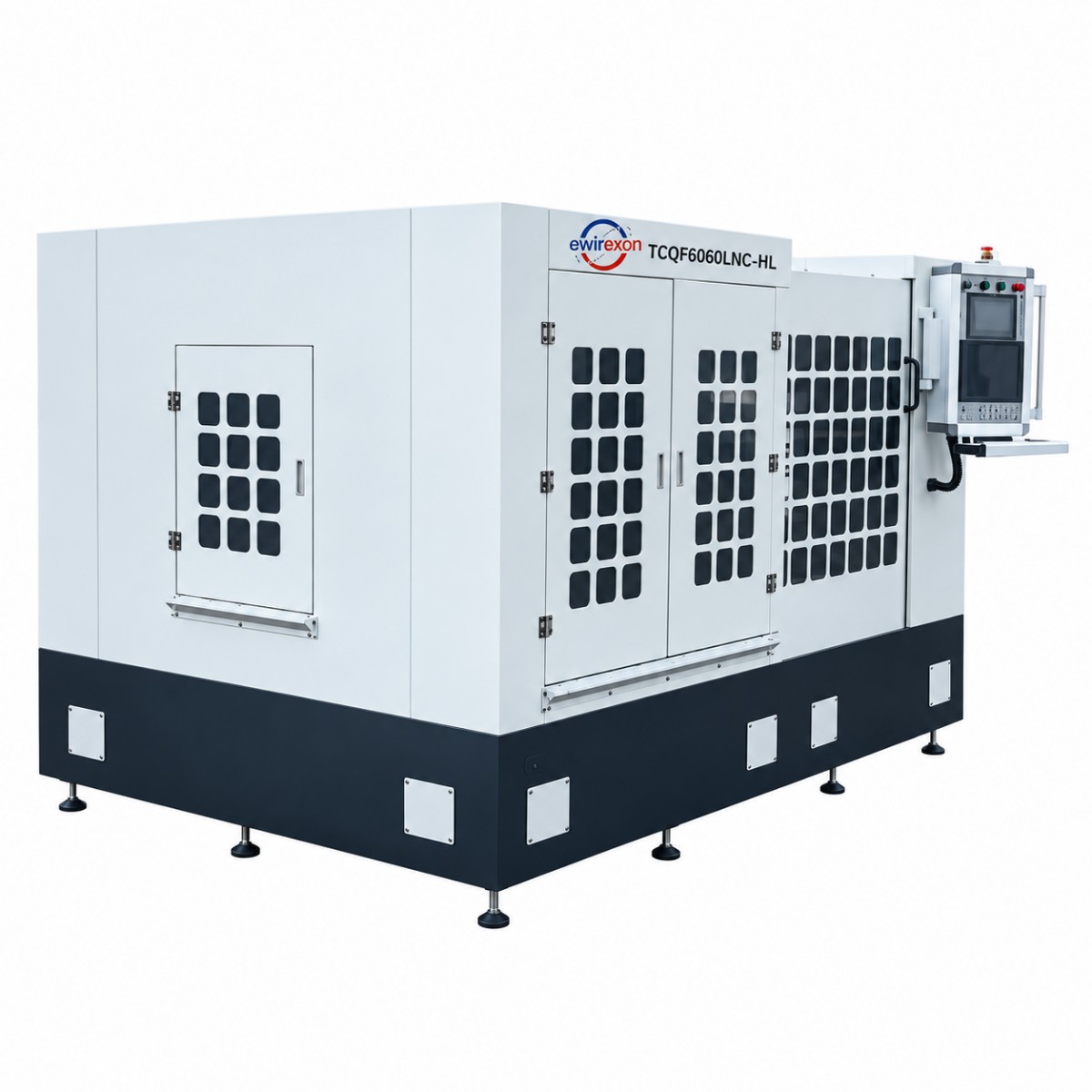
Its precisely adjustable wire speed (0.1–35 mm/s), fine-tuned tension control (0–500 N), and ultra-stable X/Y feed rates (0.01–35 mm/s) enable repeatable, burr-free cuts through multi-layer CFRP laminates—even at complex angles or tight radii. The system’s rigid Q235+SS304+6061 frame and CE-certified design ensure operational safety and long-term dimensional stability during high-precision sample preparation.
Unlike high-impact machining methods, this single-wire saw preserves interlaminar bond strength and surface finish—critical when validating structural performance, conducting microstructural analysis, or preparing flight-critical test coupons.
Precision diamond ring saw for low-force, burr-free CFRP composite cutting—optimized for aerospace and automotive prototyping where ply integrity, edge quality, and thermal stability are non-negotiable.
Designed specifically for high-stakes prototyping in aerospace and automotive engineering, this diamond ring saw enables controlled, thermally stable cutting of carbon fiber reinforced polymer (CFRP) composites. Unlike abrasive or rotary tools that induce delamination, fiber pull-out, or matrix melting, its tensioned, continuously moving diamond-impregnated wire applies minimal lateral force and generates near-zero heat. With fully adjustable wire speed (0.1–35 mm/s), precise tension control (0–500 N), and ultra-stable X/Y feed rates (0.01–35 mm/s), it achieves repeatable, clean cuts—even through complex multi-layer laminates, tight radii, and angled geometries. Built on a rigid hybrid frame of Q235 steel, stainless steel 304, and 6061 aluminum, the system ensures long-term dimensional stability and CE-certified operational safety. It’s trusted for preparing flight-critical test coupons, microstructural analysis specimens, and structural validation samples where surface finish and interlaminar bond strength must remain uncompromised.