Description
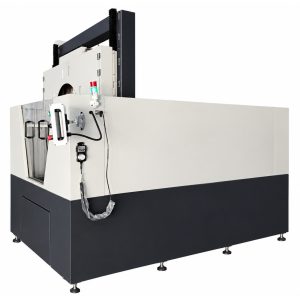
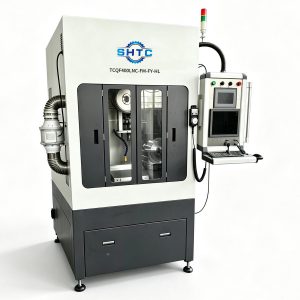
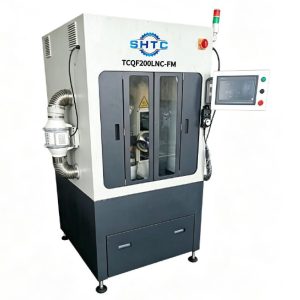
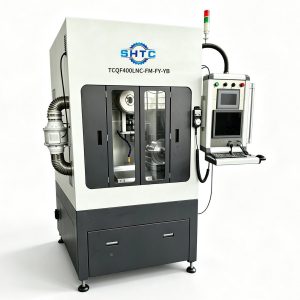
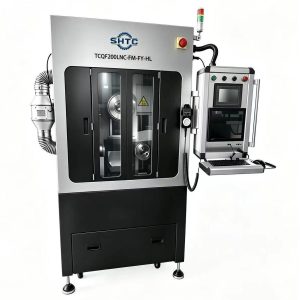
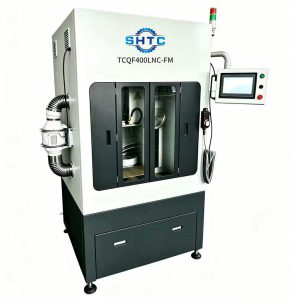
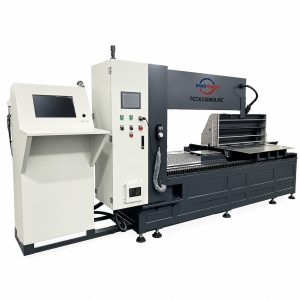
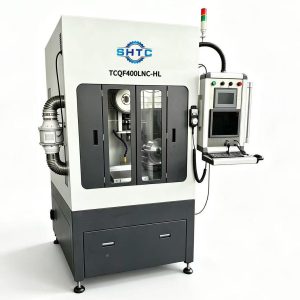
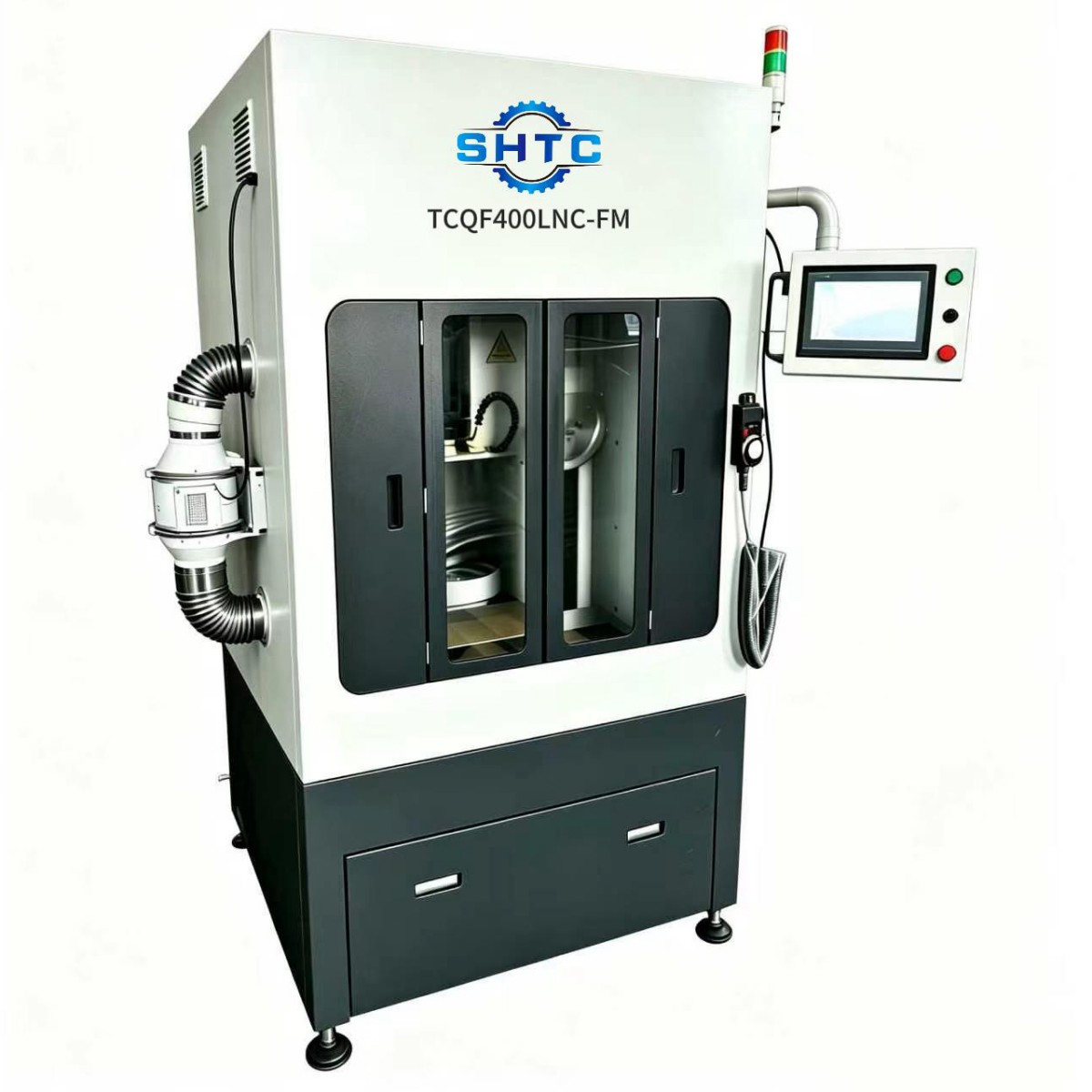
Engineered for exploratory materials science, this diamond ring saw delivers ultra-precise, low-stress slicing of next-generation brittle materials where conventional abrasive or blade-based methods induce unacceptable microcracking, chipping, or subsurface damage. Its single-wire architecture—combined with fully adjustable wire speed (0.1–50 mm/s), fine-tuned tension control (0–300 N), and sub-micron feed rates (0.01–35 mm/s on X/Y axes)—ensures exceptional surface integrity and dimensional fidelity in thin-section samples.
Validated for use with optical glass, sapphire, precision ceramics, graphite, semiconductor packaging materials, and CFRP composites, it provides a repeatable, non-contact cutting solution ideal for hypothesis-driven research on MAX phases, ultra-high-temperature ceramics, and other mechanically challenging novel compounds. Built with Q235 structural steel, SS304 stainless components, and 6061 aluminum, the system balances rigidity, corrosion resistance, and thermal stability—essential for long-duration, unattended slicing runs in controlled lab environments.
Single-wire diamond ring saw for high-fidelity, low-damage slicing of sapphire, precision ceramics, CFRP, graphite, and semiconductor packaging—optimized for academic and government lab materials characterization.
Engineered for cutting-edge materials science, this diamond ring saw delivers non-contact, microcrack-free sectioning of exceptionally brittle and heterogeneous materials. Its single-wire architecture—paired with sub-micron feed control, fully adjustable wire tension (0–300 N), and ultra-slow wire speeds (0.1–50 mm/s)—minimizes mechanical stress during slicing, preserving subsurface integrity critical for TEM, XRD, and nanoindentation analysis. Validated across optical glass, sapphire wafers, MAX-phase ceramics, ultra-high-temperature composites, graphite anodes, and advanced semiconductor packaging substrates, it supports hypothesis-driven work in national labs, university core facilities, and R&D centers. Constructed from Q235 structural steel, SS304 stainless components, and thermally stable 6061 aluminum, the system ensures rigidity and repeatability during extended unattended runs—making it ideal for preparing thin-section specimens where conventional blade or abrasive methods fail.