Description
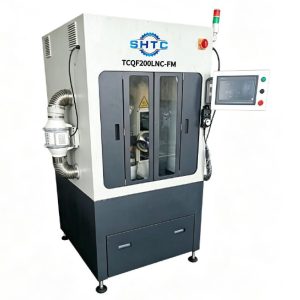
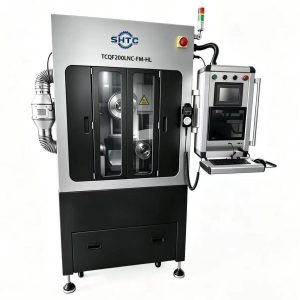
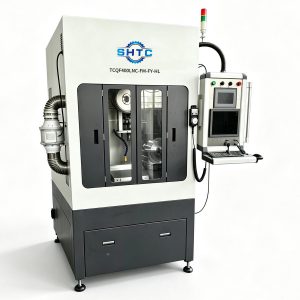
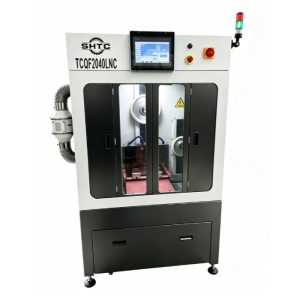
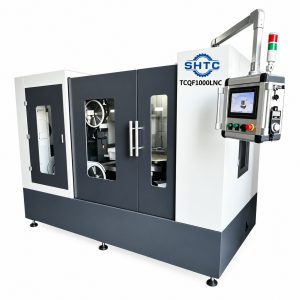
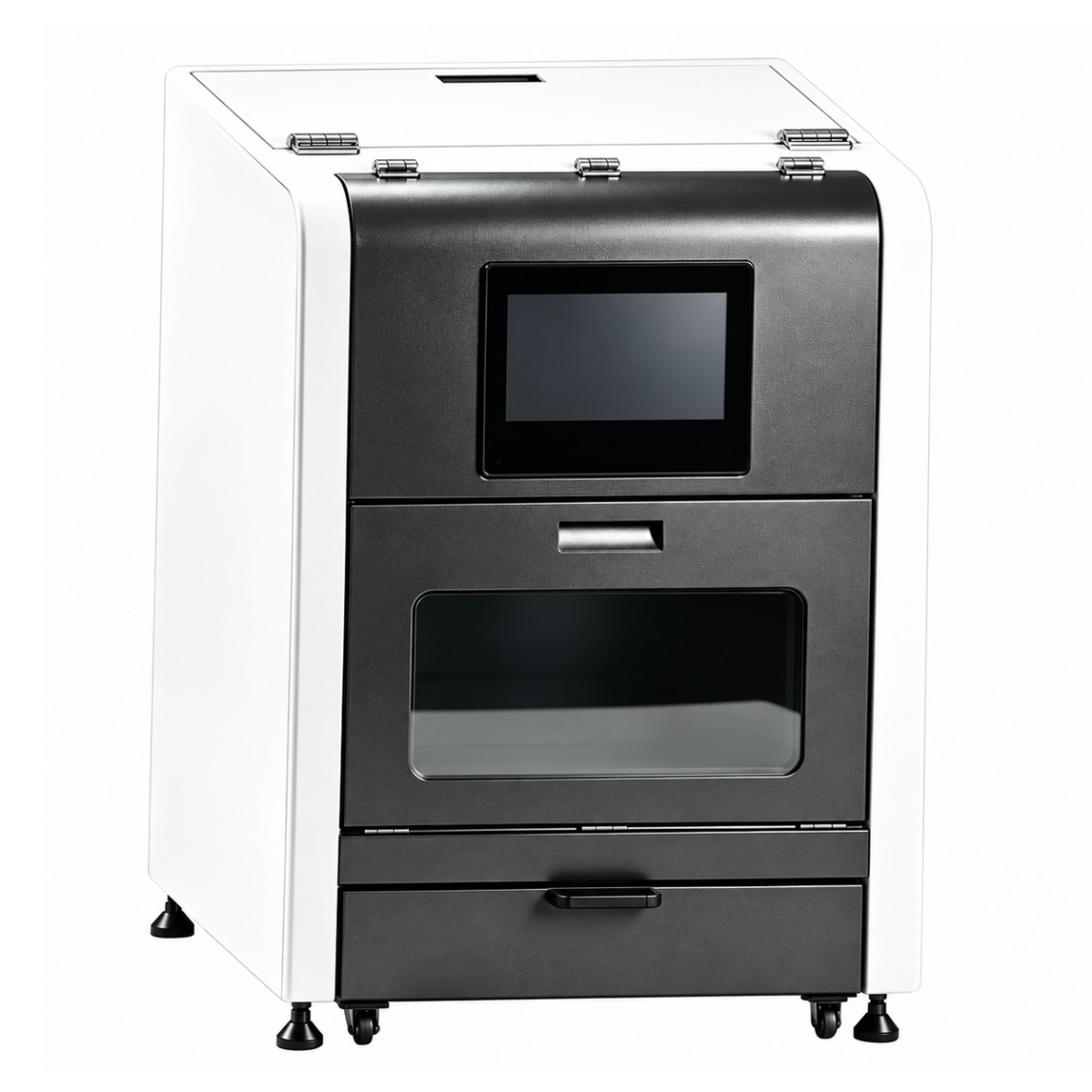
For advanced materials development labs working with aerospace-grade alumina, medical-grade zirconia, or vacuum-compatible silicon carbide, conventional sawing introduces unacceptable chipping, subsurface damage, and thermal distortion. This diamond ring saw (single-wire, desktop type) meets the exacting demands of precision ceramics processing by eliminating mechanical clamping forces and enabling fully programmable, low-inertia motion control.
The system’s sub-micron X/Y axis feed rate range (0.01–35 mm/s), ultra-fine wire speed modulation (0.1–50 mm/s), and precise tension regulation (0–150 N) allow operators to match cutting parameters to ceramic density, grain structure, and sintering profile—critical when slicing thin wafers, implant substrates, or hermetic packaging blanks. Constructed from Q235 structural steel, SS304 stainless, and 6061 aluminum, the rigid 350 kg frame damps resonance during prolonged cuts, while CE certification ensures compliance with lab safety and electromagnetic compatibility standards.
No customization is required to support precision ceramics: this capability is inherent and explicitly validated in the manufacturer’s stated applications scope.
Desktop diamond ring saw optimized for precision ceramics—alumina, zirconia, silicon carbide—featuring non-contact tension, sub-micron feed control, and zero-clamp slicing to prevent chipping and preserve microstructural integrity.
Designed for advanced materials labs, this desktop diamond ring saw enables damage-free slicing of brittle, high-purity ceramics—including aerospace-grade alumina, medical-grade zirconia, and vacuum-compatible silicon carbide. Unlike conventional abrasive or blade-based methods, its single-diamond-wire architecture eliminates mechanical clamping, thermal distortion, and subsurface microfracture. With programmable X/Y feed rates (0.01–35 mm/s), ultra-fine wire speed modulation (0.1–50 mm/s), and precise tension control (0–150 N), the system adapts dynamically to material density, grain structure, and sintering profile. Ideal for producing thin wafers, dental and orthopedic implant substrates, hermetic packaging blanks, and optical ceramic components. Built with Q235 structural steel, SS304 stainless, and 6061 aluminum, its 350 kg rigid frame suppresses resonance during extended cuts—ensuring consistent ±1 µm dimensional integrity. CE-certified for safe, reliable operation in R&D and pilot-scale production environments.