Description
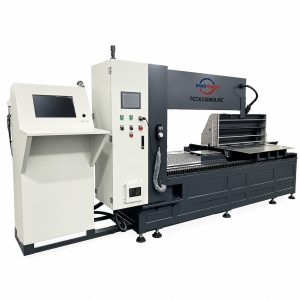
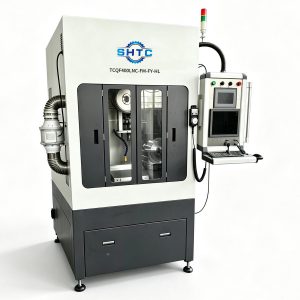
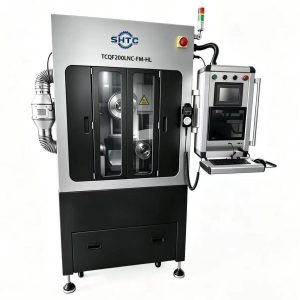
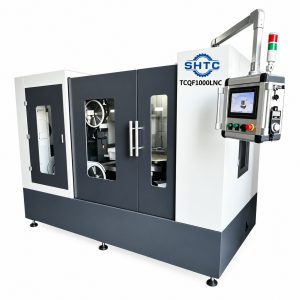
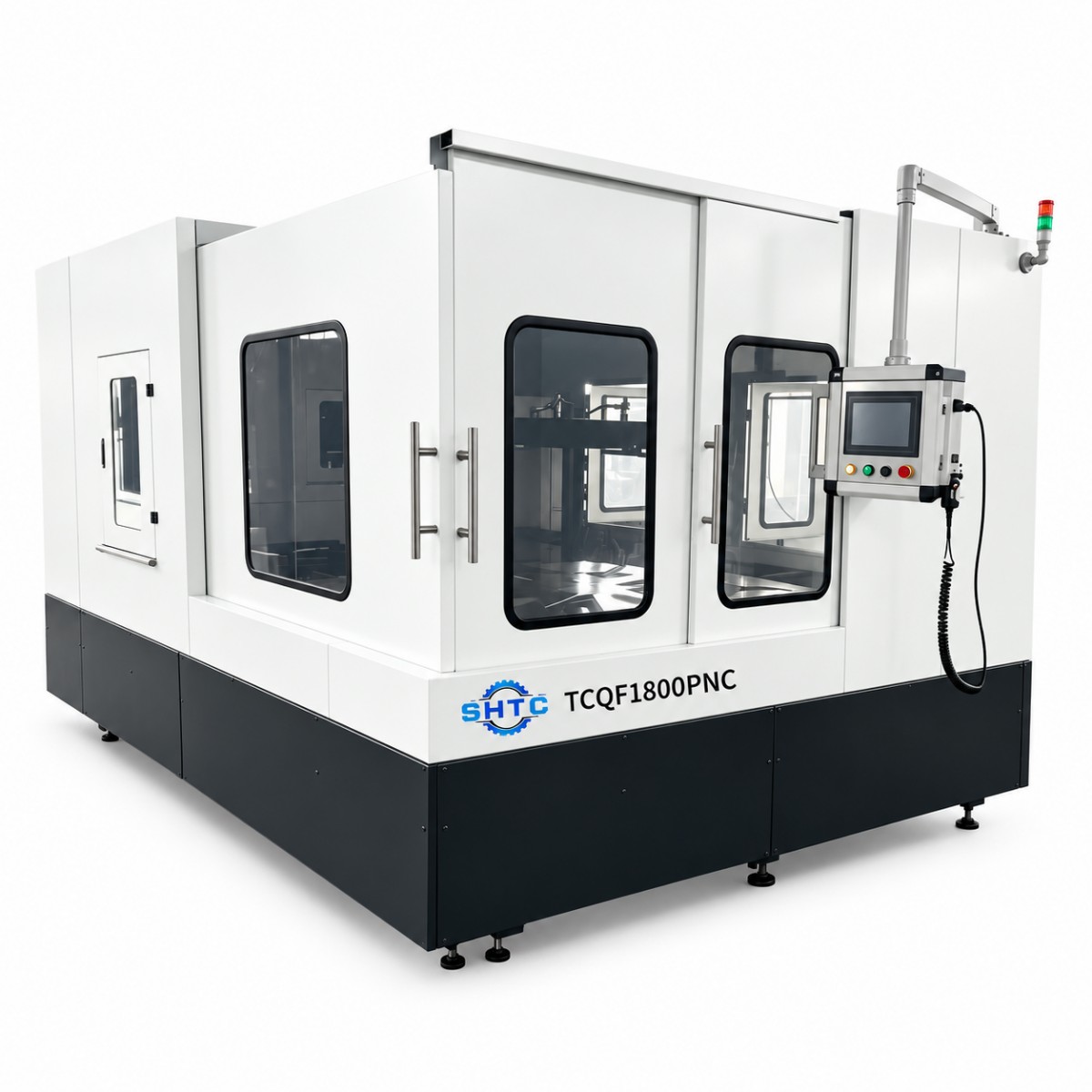
This diamond ring saw is specifically applied in high-integrity CFRP manufacturing where fiber continuity, interlaminar integrity, and dimensional precision are non-negotiable. Unlike abrasive or mechanical saws that crush, fray, or thermally degrade carbon fibers, its single-wire diamond architecture—combined with fully adjustable wire speed (0.1–35 mm/s), tension control (0–500 N), and micron-precise X/Y feed rates (0.01–35 mm/s)—enables cold, localized material removal that preserves fiber alignment and matrix adhesion.
It meets the stringent demands of aerospace structural component fabrication and EV battery enclosure production, where post-cut rework, scrap due to delamination, or tolerance drift directly impact certification compliance and unit cost. The system’s CE certification, rigid Q235+SS304+6061 frame, and 5.6 kW optimized drive ensure stable, repeatable performance across long production runs on thick or multi-layered CFRP laminates.
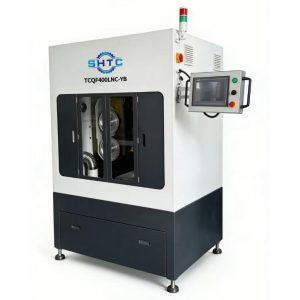
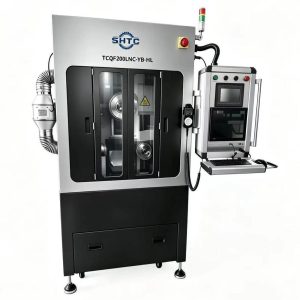
Single-wire diamond ring saw purpose-built for low-damage CFRP cutting in certified aerospace airframes and high-strength EV battery enclosures—preserving fiber continuity and dimensional precision.
This diamond ring saw delivers ultra-precise, low-damage cutting of carbon fiber reinforced polymer (CFRP) composites—without crushing fibers, inducing thermal degradation, or compromising interlaminar integrity. Its single-wire diamond architecture enables true cold cutting, preserving fiber alignment and matrix adhesion essential for structural certification in aerospace airframes and crash-resistant EV battery enclosures. Fully adjustable wire speed (0.1–35 mm/s), tension control (0–500 N), and micron-level X/Y feed rates (0.01–35 mm/s) support consistent performance across thick, multi-layered laminates. Built on a rigid hybrid frame (Q235 structural steel, SS304, and 6061 aluminum) and powered by a 5.6 kW optimized drive, it ensures long-run stability and repeatability. CE-certified and designed for integration into high-integrity manufacturing lines, it reduces post-cut rework, scrap from delamination, and tolerance-related non-conformance—directly improving yield, compliance, and unit cost in regulated production environments.